A Love Letter to the Garden Route in Winter
Winter changes the Garden Route. The crowds soften, the beaches empty, the forests feel deeper, and the coast seems to ask for a slower kind of attention.

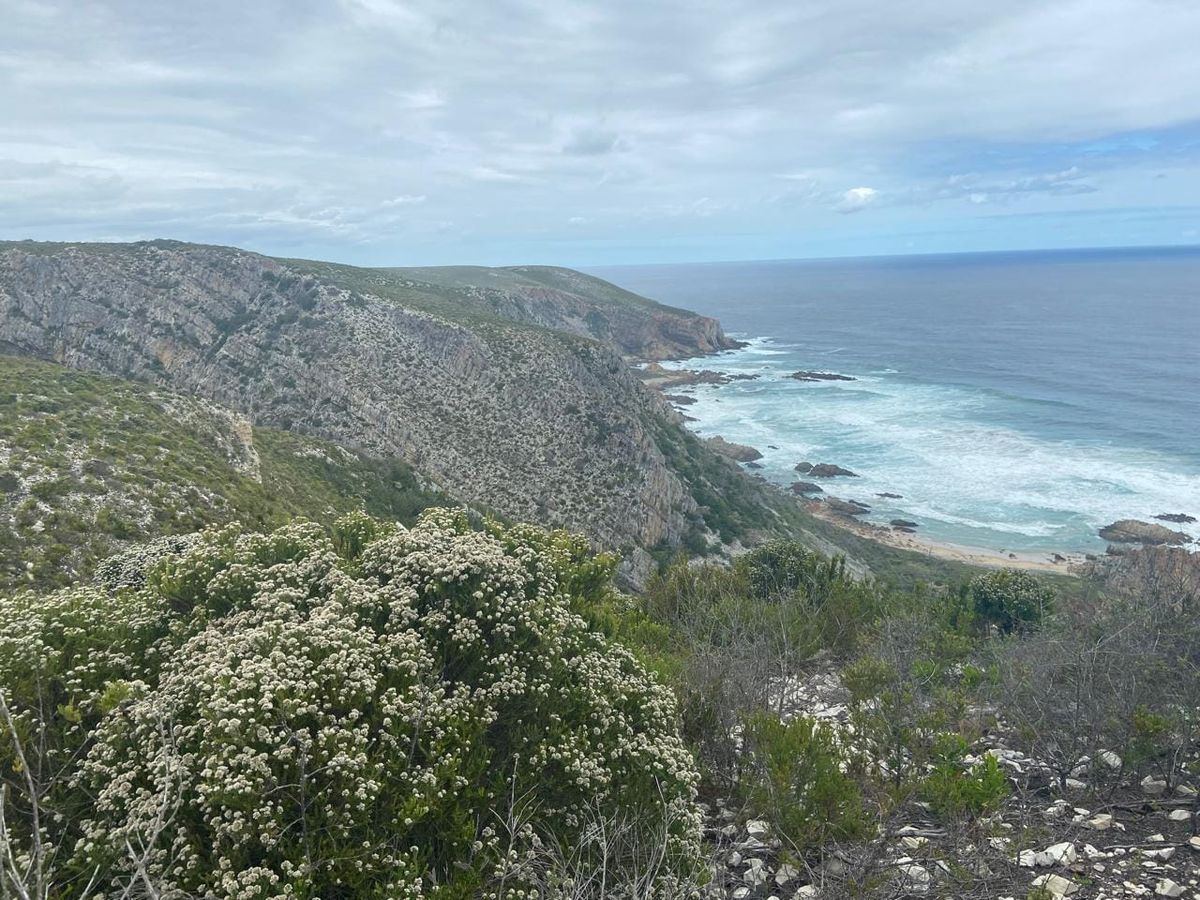
There is a particular kind of quiet that settles over the Garden Route in winter.
It arrives softly, without ceremony. In the mist that gathers over the Outeniqua Mountains. In the damp scent of forest after rain. In the empty curve of a beach that, only a few months earlier, held umbrellas, children, towels and the bright noise of summer.
I have always loved the Garden Route, but I think winter might be when I understand it best.
Not because it is dramatic. Not because every day is clear or warm or postcard-perfect. But because winter strips the region back to something more honest. The pace changes. The light changes. The road feels less like a route to complete and more like something to move through slowly.
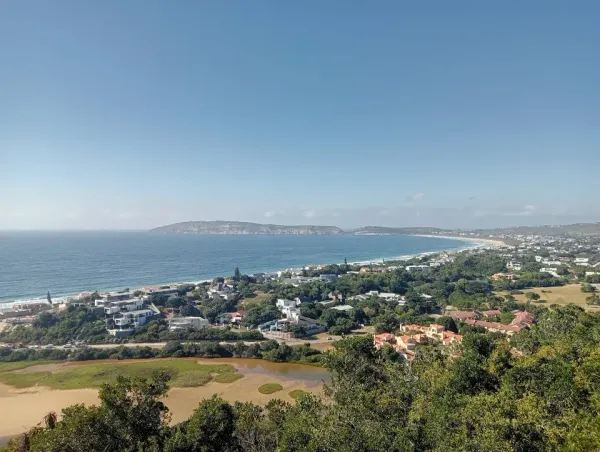
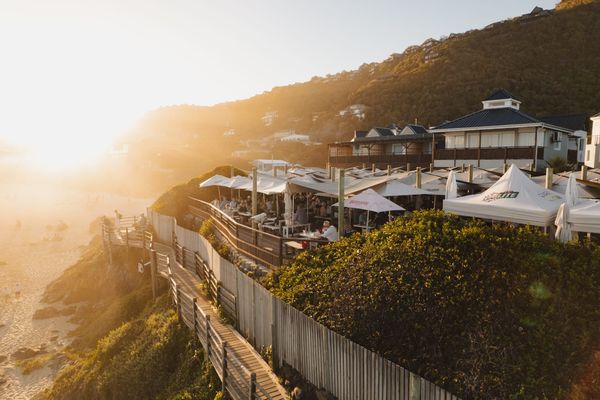
In summer, the Garden Route can feel full of expectation. There are places to swim, restaurants to book, beaches to claim early, views to catch before everyone else arrives. But in winter, the pressure lifts. You can linger over coffee in Wilderness without feeling late for the next stop. You can walk along Robberg with the wind in your jacket and the sea turning silver beside you. You can stand at a lookout in Knysna and hear more birds than cars.
This is the season of unhurried mornings.
The kind where you wake to grey light and make coffee before checking the weather. The kind where a short walk turns into a longer one because the air is cool and the paths are quiet. The kind where the best part of the day might be a fire, a book, a bowl of soup, or a drive taken simply because the road looked beautiful.
Winter suits the Garden Route’s quieter places.
It suits Nature’s Valley, where the lagoon lies still under a pale sky and the forest feels close enough to touch. It suits Tsitsikamma, where the trees hold the rain and the coastline feels wilder than usual. It suits Sedgefield, with its slow rhythm and wide skies. It suits Wilderness, where the lakes and beaches seem made for reflection.
And then there are the whales.
From around June, southern right whales begin moving along the South African coast, and the Garden Route becomes one of those rare places where a winter road trip can include the possibility of seeing something vast and ancient just beyond the breakers. You might spot them from a headland, from a beach, or simply because someone nearby has stopped walking and is staring out to sea.
That is the thing about winter here. It asks you to pay attention.
To the shifting weather. To the colour of the ocean. To the smell of wet fynbos. To the way the forests darken after rain. To the sudden clear afternoons that feel like a gift. To the small towns that become easier to love when they are not performing for peak season.
Of course, winter on the Garden Route is not always neat. It can rain. The wind can arrive without asking. Some days are better suited to cafés, fireplaces and long drives than beach towels and swimming costumes.
But perhaps that is why I love it.
It gives you permission to travel differently.
You do not have to chase perfect weather. You do not have to see everything. You do not have to turn every stop into an itinerary. You can choose one stretch of coast and stay there. You can revisit a favourite viewpoint. You can walk the same beach twice. You can let the day decide itself.
For me, the Garden Route in winter is not about escape in the usual sense. It is not about leaving life behind. It is about returning to a slower version of it.
One with muddy shoes by the door. One with windows misted from the inside. One with forests, sea air, winding roads and the feeling that there is still room to breathe.
And maybe that is the real beauty of this place in winter.
It does not ask you to do more.
It simply invites you to notice more.
Why Visit the Garden Route in Winter?
Winter is one of the most underrated times to travel the Garden Route. The beaches are quieter, accommodation can feel more peaceful, and the landscapes take on a softer, moodier quality.
It is a good season for:
- Slow road trips
- Forest walks
- Whale watching
- Photography
- Cosy stays
- Quiet beaches
- Less crowded viewpoints
- Long lunches and scenic drives
The weather can be mixed, but that is part of the rhythm. Pack layers, keep your plans flexible, and leave space for both clear coastal walks and rainy afternoons indoors.
Best Places to Experience the Garden Route in Winter
Wilderness
For misty mornings, lake views, forest walks and long stretches of beach.
Sedgefield
For a slower pace, quiet roads, markets, lagoons and gentle coastal scenery.
Knysna
For lagoon views, forest drives, fireside meals and moody winter light.
Plettenberg Bay
For Robberg walks, whale watching, wide beaches and crisp coastal air.
Nature’s Valley
For stillness, forest, lagoon walks and one of the most peaceful winter stops on the route.
Tsitsikamma
For ancient forest, dramatic coastline, suspension bridges and a wilder sense of place.
A Few Winter Travel Notes
Bring proper walking shoes, a warm jacket and clothes you can layer. Expect some rain, but do not assume every day will be grey. Winter often brings beautiful clear windows between weather systems.
If whale watching is part of your plan, travel between June and November, with sightings often improving from July onwards. For a slower, more atmospheric Garden Route experience, give yourself at least five to seven days rather than rushing from one stop to the next.
The Garden Route does not need summer to be beautiful.
In winter, it becomes quieter, softer and somehow more itself.
And if you are willing to travel slowly, to let the weather shape your days, and to find beauty in the in-between moments, it might just become your favourite season here too.