Best Time to Visit the Garden Route
Wondering when to visit the Garden Route? This season-by-season guide explains what to expect throughout the year, helping you choose the perfect time for beaches, hiking, whale watching and slow road trips.

The Garden Route is one of those rare destinations that never feels out of season.
Unlike many places that rely on a few months of perfect weather, this stretch of South Africa's southern coastline quietly reinvents itself throughout the year. Summer brings long beach days and bustling seaside towns. Autumn slows the pace, painting the landscape in softer light and making the roads noticeably quieter. Winter arrives with migrating whales, misty forests and the kind of crisp mornings that make a hot coffee after a hike feel especially rewarding. By spring, wildflowers begin to bloom, the days grow longer and the coastline starts preparing for another summer.
I've visited the Garden Route in every season, and if there's one thing I've learnt, it's that there isn't a single "best" time to come.
Instead, there is a best season for the kind of experience you're hoping to have.
Whether you're planning a family holiday, a romantic escape, a hiking adventure or a leisurely road trip, this guide will help you decide when the Garden Route is at its best for you.
Quick Answer
If you're looking for warm weather, beach days and long evenings outdoors, September to April is generally considered the best time to visit the Garden Route.
However, every season offers something different.
- Summer (December to February): Best for beaches, swimming and family holidays.
- Autumn (March to May): Ideal for road trips, hiking and quieter destinations.
- Winter (June to August): Perfect for whale watching, cosy cabin stays and scenic walks.
- Spring (September to November): Excellent for wildflowers, mild temperatures and outdoor adventures.
There really isn't a bad time to explore the Garden Route. The best season simply depends on what you'd like your trip to look like.
Garden Route Seasons at a Glance
| Season | Months | Average Daytime Temperature | Best For |
|---|---|---|---|
| Summer | December – February | 24–28°C | Beaches, swimming, families |
| Autumn | March – May | 20–25°C | Road trips, hiking, photography |
| Winter | June – August | 17–22°C | Whale watching, cabins, quieter travel |
| Spring | September – November | 19–24°C | Wildflowers, outdoor adventures, mild weather |
Understanding the Garden Route Climate
One of the reasons the Garden Route is such an appealing year-round destination is its relatively mild climate.
Unlike the Western Cape's Mediterranean weather or the Highveld's distinct wet and dry seasons, the Garden Route experiences rainfall throughout the year. This consistent moisture keeps the indigenous forests lush, the rivers flowing and the landscape remarkably green, even during the height of summer.
Temperatures are equally forgiving. Summer days are warm without being unbearably hot, while winter remains mild enough for hiking, sightseeing and outdoor exploration. Snow is exceptionally rare along the coast, and although winter brings more rain and occasional storms, these often add to the dramatic beauty of the region rather than limiting what you can do.
The Indian Ocean also plays an important role in shaping the climate. Sea breezes help moderate summer temperatures, while the ocean creates ever-changing conditions that can shift from calm sunshine to rolling coastal mist within a matter of hours.
This unpredictability is part of the Garden Route's charm. Packing a light jacket, regardless of the season, is almost always a good idea.
More importantly, it's worth embracing the changing weather rather than trying to avoid it. Some of the most memorable moments on the Garden Route happen between the forecasts: watching waves crash against the cliffs after a winter front, walking through a forest still glistening from morning rain or seeing shafts of sunlight break through the clouds over the ocean.
The Garden Route isn't a destination that needs perfect weather to be beautiful. In many ways, it's the changing conditions that give it so much character.
Garden Route in Summer (December to February)
Summer is the Garden Route at its liveliest.
School holidays are in full swing, the beaches are buzzing from early morning until sunset, and the towns come alive with markets, outdoor dining and a holiday atmosphere that feels distinctly South African. It's the season many people picture when they think about a Garden Route road trip.
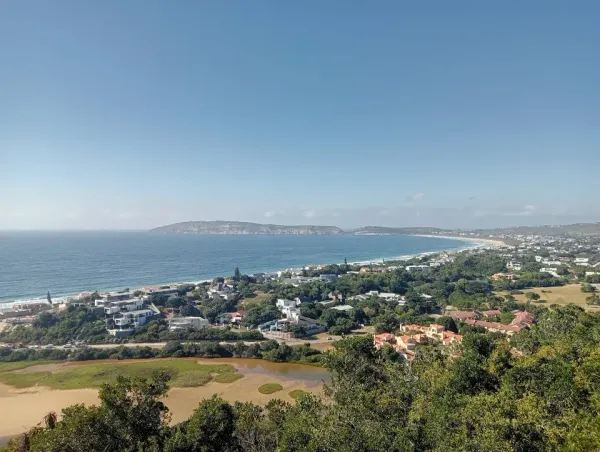
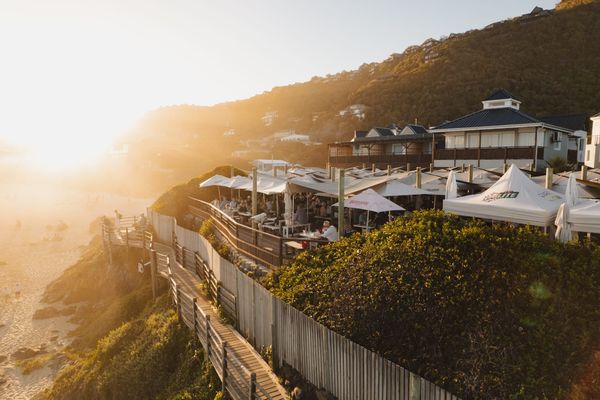
Long, warm days make it easy to spend as much time outdoors as possible. You might start the morning with a walk along Central Beach in Plettenberg Bay, spend the afternoon kayaking through Wilderness National Park or exploring the Knysna Lagoon, and finish the day watching the sun sink into the ocean from a coastal viewpoint.
Everything feels open, energetic and welcoming.
Weather
Summer daytime temperatures typically range between 24°C and 28°C, although hotter inland days aren't uncommon. Evenings remain comfortably warm, making it the perfect time for alfresco dinners, sunset walks and evenings around a fire.
The Indian Ocean stays refreshingly cool throughout summer, but conditions are generally ideal for swimming, paddleboarding, surfing and ocean safaris.
Why Visit in Summer?
Summer is the best season if your Garden Route itinerary revolves around the coast.
The beaches are at their best, the days are long enough to fit multiple activities into your itinerary, and almost every attraction operates at full capacity. Wildlife cruises, kayaking tours, hiking trails and outdoor restaurants all make the most of the season.
For families travelling during the South African school holidays, this is naturally the easiest time to visit.
Best Experiences
- Swimming at Central Beach and Lookout Beach in Plettenberg Bay
- Exploring Robberg Nature Reserve in the early morning
- Kayaking or paddleboarding in Wilderness
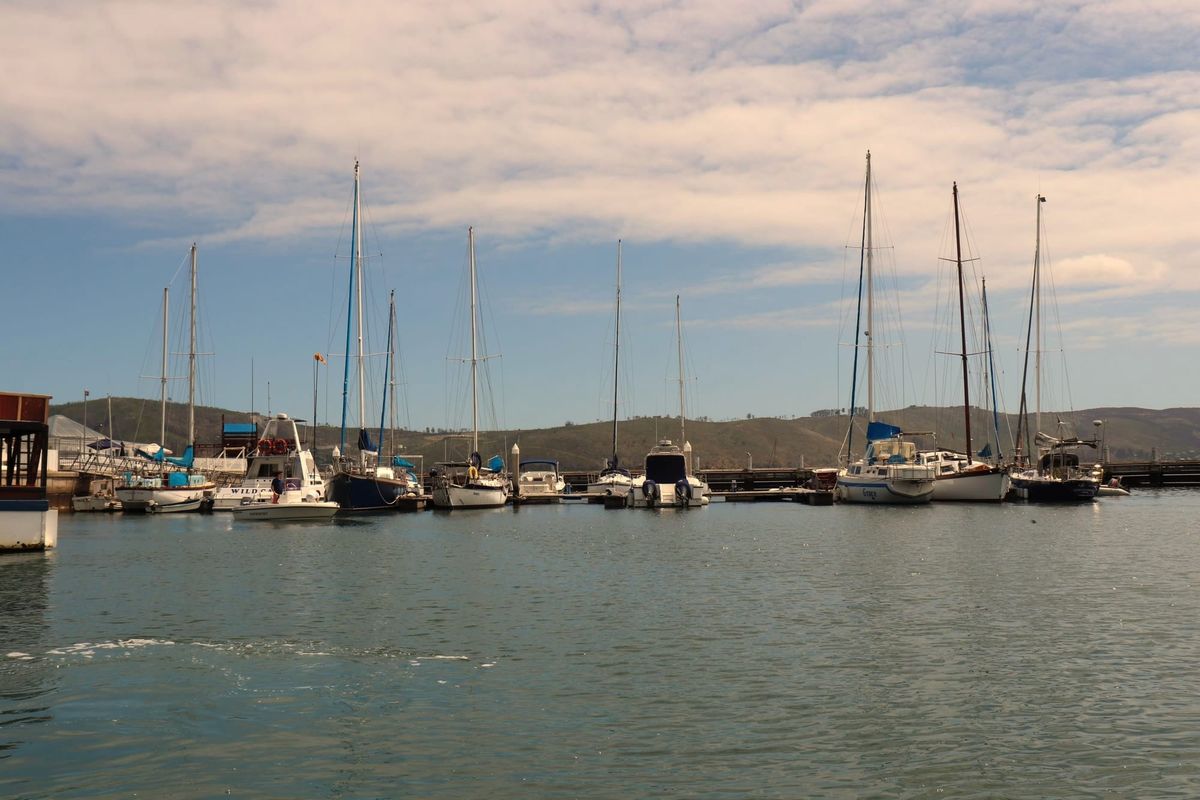
- Sailing on the Knysna Lagoon
- Sunset picnics along the coastline
- Outdoor markets and local food experiences
Things to Consider
Summer is also the Garden Route's busiest season.
Accommodation in popular destinations such as Plettenberg Bay, Knysna and Wilderness often books out months in advance, particularly between mid-December and early January. Beaches become noticeably busier, restaurants may require reservations and traffic can increase around the larger towns.
If you're travelling during peak season, planning ahead makes a significant difference.
Early mornings are also worth embracing. Not only are the beaches quieter, but the softer light and cooler temperatures make hiking and sightseeing considerably more enjoyable.
Summer at a Glance
Best for: Beach holidays, families, swimming, water sports and first-time visitors.
Crowds: High
Accommodation: Highest demand and pricing
Editor's Tip: If you're visiting in January, consider staying slightly outside the busiest centres. Places like Sedgefield or Brenton-on-Sea offer a more relaxed pace while still providing easy access to the region's highlights.
Garden Route in Autumn (March to May)
If someone asked me when I enjoy the Garden Route most, I'd probably say autumn.
Not because it's the warmest season or the busiest, but because everything seems to settle into a gentler rhythm.
The holiday crowds disappear almost overnight, leaving beaches noticeably quieter and the roads far less busy. The light becomes softer, mornings carry a slight chill, and afternoons remain comfortably warm enough for walking, hiking and spending long hours outdoors.
It's the season that reminds you the Garden Route isn't simply a collection of attractions—it's a landscape best appreciated slowly.
Weather
Autumn temperatures generally range between 20°C and 25°C during the day, with cooler evenings that invite you to linger over dinner or gather around a fireplace after sunset.
Rain becomes slightly more frequent, although it's rarely enough to disrupt a trip. Instead, it refreshes the forests and adds an extra richness to the already green landscape.
Why Visit in Autumn?
For travellers who value quieter experiences over busy beaches, autumn is arguably the Garden Route's sweet spot.
Walking Robberg Nature Reserve without the summer crowds, driving between destinations with little traffic and finding space to yourself on beaches that felt busy only weeks earlier completely changes the experience.
Accommodation is often easier to book, restaurants feel more relaxed and there's a sense that the region belongs to locals again.
It's also one of the best seasons for photography. The lower angle of the sun creates softer, more flattering light throughout the day, while occasional morning mist adds atmosphere to forests, lagoons and mountain passes.
Best Experiences
- Hiking Robberg Nature Reserve
- Walking the beaches around Nature's Valley
- Exploring Wilderness National Park
- Scenic drives between Knysna and Storms River
- Visiting local markets without the crowds
- Sunset photography along the coastline
Things to Consider
Although daytime temperatures remain pleasant, evenings can cool down quickly, particularly inland. Packing layers makes it easy to enjoy both warm afternoons and crisp evenings.
Ocean temperatures also begin to drop, making swimming a little less inviting than during midsummer, although you'll still find sunny days perfect for relaxing on the beach.
Autumn at a Glance
Best for: Road trips, hiking, photography, couples and slow travel.
Crowds: Low to moderate
Accommodation: Better availability and value
Editor's Tip: If your idea of a perfect holiday involves unhurried mornings, empty walking trails and lingering over lunch with an ocean view, autumn is difficult to beat. It's the season when the Garden Route feels most like itself.
Garden Route in Winter (June to August)
Winter has a way of surprising people.
Mention a winter road trip along the Garden Route and many assume they'll spend their holiday dodging rain. While winter does bring cooler temperatures and occasional cold fronts, it's also one of the most rewarding seasons to experience this coastline.
The forests become greener, waterfalls flow more strongly and migrating southern right whales begin arriving along the coast. The beaches are quieter, hiking trails feel almost empty and the slower pace encourages you to appreciate the landscape in a different way.
It's no coincidence that some of my favourite Garden Route memories have been made during winter.
Weather
Winter daytime temperatures typically range between 17°C and 22°C, with cooler mornings and evenings often dropping below 10°C.
Rainfall is more frequent than in summer, but it's rarely constant for days on end. A passing cold front is often followed by bright blue skies, crisp air and exceptional visibility across the coastline.
These changing conditions create some of the Garden Route's most dramatic scenery.
Why Visit in Winter?
Winter is arguably the Garden Route's most underrated season.
Without the summer crowds, destinations like Wilderness, Nature's Valley and Tsitsikamma feel wonderfully peaceful. Walking through indigenous forest after overnight rain, watching waves crash against the cliffs during a winter swell or spotting whales from a coastal viewpoint all offer experiences that simply don't exist during the warmer months.
Accommodation is often more affordable, restaurants are quieter and you'll find it easier to book many of the region's most popular stays.
If your idea of travel leans more towards long walks, good coffee, cosy cabins and meaningful time outdoors than beach holidays, winter may become your favourite season too.
Whale Watching Season
One of winter's biggest highlights is the arrival of the southern right whales.
From June through November, these magnificent animals migrate to the South African coastline to mate and calve. The Garden Route offers several excellent land-based viewing opportunities, particularly around Plettenberg Bay, Robberg Nature Reserve, Knysna and Mossel Bay.
Peak whale activity usually occurs between July and September, when sightings become increasingly common.
Seeing a whale breach from a coastal hiking trail or quiet viewpoint is one of those moments that tends to stop everyone in their tracks.
Best Experiences
- Whale watching along the coastline
- Storm watching from coastal viewpoints
- Hiking Robberg and Tsitsikamma after rainfall
- Cabin escapes in the forests
- Visiting cafés and farm stalls on cooler afternoons
- Photographing dramatic winter skies
Things to Consider
Winter weather is less predictable than other seasons.
Packing waterproof layers and warm clothing is essential, particularly if you're planning to hike or spend long periods outdoors. Fortunately, most rainfall arrives in short bursts rather than lasting all day, making it easy to adjust your plans.
Having a flexible itinerary often leads to the most memorable experiences.
Winter at a Glance
Best for: Whale watching, hiking, cosy getaways, photography and slower travel.
Crowds: Low
Accommodation: Excellent value
Editor's Tip: Don't let a weather forecast discourage you. Some of the Garden Route's most beautiful days arrive immediately after a winter front has passed, when the air feels fresh, the forests glisten and the ocean takes on an incredible deep blue colour.
Garden Route in Spring (September to November)
Spring feels like the Garden Route stretching awake after winter.
The days become noticeably longer, temperatures begin climbing, whales are still frequent visitors along the coastline and the landscape bursts back into colour. Indigenous fynbos starts flowering, forests appear especially vibrant after the winter rains and there's an unmistakable sense that summer is approaching.
It's one of the easiest seasons to recommend because it offers a little of everything without many of the compromises.
Weather
Spring temperatures generally range between 19°C and 24°C, with increasingly warm afternoons and cool, comfortable mornings.
Rainfall becomes less frequent than during winter, although occasional showers continue to keep the landscape beautifully green.
The weather is ideal for spending entire days outdoors.
Why Visit in Spring?
For travellers who want pleasant weather without the summer crowds, spring is difficult to beat.
It's an excellent season for hiking, cycling, kayaking and scenic drives. Wildlife remains active, whale watching continues well into October and accommodation is generally easier to secure than during peak holiday periods.
Many gardens and natural areas are also at their most colourful, particularly where indigenous fynbos dominates the landscape.
The combination of fresh greenery, flowering vegetation and clear skies makes spring one of the Garden Route's most photogenic seasons.
Best Experiences
- Whale watching before the season ends
- Hiking Robberg Nature Reserve
- Exploring Nature's Valley
- Scenic coastal drives
- Wildflower photography
- Paddleboarding and kayaking
Things to Consider
Spring weather can still be changeable, particularly in September. Bringing layers remains worthwhile, especially if you're planning early morning hikes or sunset outings.
By November, however, the region begins to take on a distinctly summery feel.
Spring at a Glance
Best for: Outdoor adventures, photography, hiking, road trips and couples.
Crowds: Moderate
Accommodation: Good availability
Editor's Tip: October is one of my favourite months on the Garden Route. The weather is warm enough for long days outdoors, whales are still common and there's a sense of calm before the summer holiday season begins.
When to Visit the Garden Route for Different Experiences
Although every season has its strengths, certain times of year lend themselves particularly well to specific experiences.
Best Time for Beach Holidays
December to March
Warm temperatures, long daylight hours and calmer conditions make summer the obvious choice for swimming, beach walks and time on the water.
Best Time for Whale Watching
June to October
Southern right whales migrate along the coastline throughout winter and early spring, with the highest likelihood of sightings between July and September.
Best Time for Hiking
April, May, September and October
These shoulder seasons offer comfortable temperatures, fewer crowds and ideal conditions for exploring Robberg Nature Reserve, Tsitsikamma National Park and the region's many forest trails.
Best Time for Photography
March to May and September to October
Softer golden-hour light, dramatic skies and quieter viewpoints make these months particularly rewarding for photographers.
Best Time for Couples
Autumn and Winter
Fewer visitors, cosy accommodation, slower days and peaceful scenery create the perfect setting for a romantic escape.
Best Time for Families
December, January and early April
School holidays naturally make summer the busiest season, but the wide range of outdoor activities and family-friendly beaches make it an excellent choice for travelling with children.
Best Time for a Garden Route Road Trip
March, April, October and November
These months combine pleasant weather, quieter roads and comfortable temperatures, making them ideal for travelling slowly between destinations without the pressures of peak season.
My Favourite Time to Visit the Garden Route
People often ask me what I think is the best time to visit the Garden Route.
My answer is almost always the same.
It depends on what you're looking for.
If your dream trip involves swimming in the ocean, long beach days and lively seaside restaurants, summer is difficult to beat. If you're hoping to see whales from the cliffs of Robberg or spend a weekend in a cabin surrounded by misty forest, winter has its own magic.
But if I had to choose just one season, I'd come back in autumn.
There's a noticeable shift once summer comes to an end. The roads become quieter, the beaches feel more spacious and every destination seems to exhale after the holiday rush. The weather remains warm enough to spend entire days outdoors, yet cool enough to make hiking genuinely enjoyable.
More importantly, autumn encourages the kind of travel I think the Garden Route does best.
It's a season for taking the scenic route rather than the fastest one. For lingering over lunch with an ocean view. For stopping at viewpoints simply because the light looks beautiful. For spending an extra night somewhere because you're not quite ready to leave.
The Garden Route has never felt like a destination to rush through.
And autumn reminds me why.
Month-by-Month Guide
If you're planning your trip around a specific month, here's a quick overview of what to expect throughout the year.
| Month | Weather | Crowd Level | Best For |
|---|---|---|---|
| January | Hot and sunny | Very High | Beaches, swimming, family holidays |
| February | Warm and settled | High | Beach holidays, kayaking, coastal walks |
| March | Warm with cooler evenings | Moderate | Road trips, hiking, photography |
| April | Mild and comfortable | Low | Hiking, slow travel, couples |
| May | Cool and peaceful | Low | Scenic drives, photography, cabins |
| June | Cool with winter rainfall | Low | Whale watching begins, cosy escapes |
| July | Crisp winter days | Low | Whale watching, hiking, fireplaces |
| August | Cool and green | Low | Outdoor adventures, fewer crowds |
| September | Mild and fresh | Moderate | Wildflowers, hiking, whale watching |
| October | Warm and sunny | Moderate | Road trips, beaches, photography |
| November | Warm with long days | Moderate | Outdoor adventures, coastal escapes |
| December | Hot and lively | Very High | Summer holidays, beaches, family travel |
Frequently Asked Questions
What is the best month to visit the Garden Route?
For many travellers, March, April and October offer the ideal balance of pleasant weather, quieter attractions and excellent conditions for exploring outdoors.
If you're travelling specifically for beaches, January and February are excellent choices, while July through September is the best period for whale watching.
Can you visit the Garden Route in winter?
Absolutely.
Winter is one of the Garden Route's most rewarding seasons. While temperatures are cooler and rainfall is more frequent, you'll enjoy quieter destinations, excellent hiking conditions between cold fronts and some of South Africa's best whale watching.
What is the rainiest month on the Garden Route?
Rain falls throughout the year on the Garden Route, which helps keep the region green and lush.
Winter generally experiences more frequent rainfall than summer, although prolonged periods of rain are uncommon. Showers often pass quickly, leaving behind clear skies and spectacular coastal scenery.
What is whale season on the Garden Route?
Southern right whales begin arriving along the Garden Route coastline in June, with the season continuing until November.
The highest number of sightings usually occurs between July and September, particularly around Plettenberg Bay, Robberg Nature Reserve, Knysna and Mossel Bay.
Is the Garden Route busy in December?
Yes.
December is the busiest month of the year, especially from mid-December through early January during the South African school holidays.
Accommodation should be booked well in advance, and popular beaches and attractions are considerably busier than at other times of the year.
Is the Garden Route worth visiting all year round?
Without question.
One of the Garden Route's greatest strengths is that every season offers something different. Summer brings beach holidays, autumn offers peaceful road trips, winter delivers whale watching and cosy escapes, while spring combines mild weather with colourful landscapes and excellent hiking conditions.
Rather than asking whether the Garden Route is worth visiting, it's better to ask what kind of experience you're hoping to have.
The Garden Route doesn't ask you to visit at the perfect time of year.
It simply asks you to experience it as it is.
Some mornings you'll wake to clouds drifting through the forests. On others, the coastline will glow beneath an endless blue sky. You might find yourself sharing a beach with dozens of families during the height of summer or walking that same stretch of sand completely alone on a crisp winter morning.
Neither experience is better than the other.
They're simply different expressions of the same remarkable place.
That's why I find it so difficult to choose a favourite season.
Every return visit reminds me that the region isn't defined by the weather. It's defined by the feeling it leaves you with long after you've driven home.
Whether you arrive in the warmth of summer, the quiet of autumn, the drama of winter or the freshness of spring, you'll discover a coastline that rewards those willing to slow down, look a little closer and leave space for the unexpected.
And perhaps that's the best time to visit the Garden Route after all.