The Cabin Effect: Why We Crave Small Spaces in Big Landscapes
In a landscape that big, the instinct isn't to want more space. It's to want less.


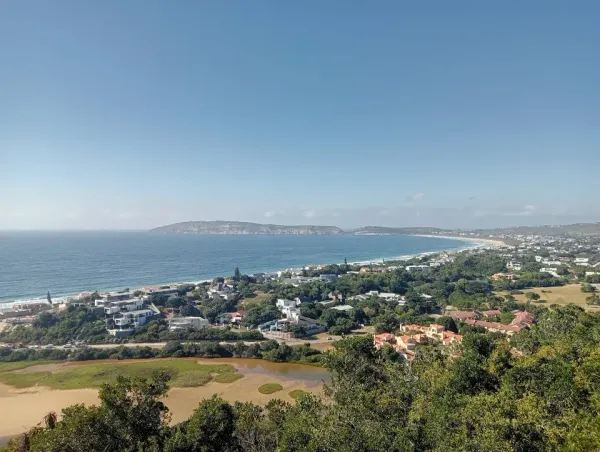
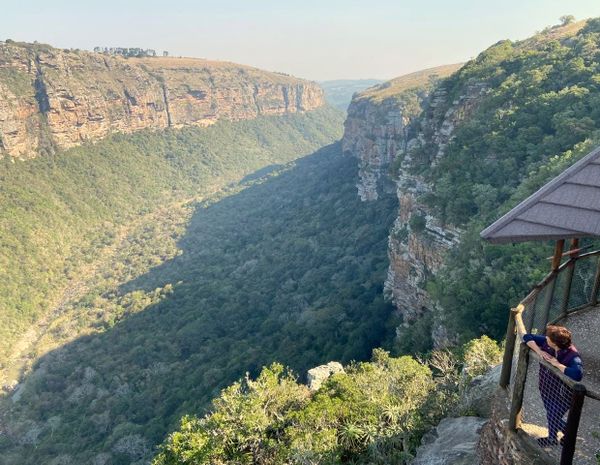
Stand at the edge of somewhere vast — a mountain range, an open plain, a coastline that runs further than you can see — and the instinct isn't to want more space. It's to want less.
This is the part the big hotels never quite get. Give a view like that to a sprawling lobby with floor-to-ceiling glass and somehow the landscape shrinks to wallpaper. Give the same view to a one-room cabin with a single small window, and the landscape gets bigger. The window becomes a frame. The walls close in just enough that what's outside them feels enormous by comparison.
We think this is the whole appeal of the cabin, and it has very little to do with rusticity for its own sake.
A small space gives your nervous system somewhere to land. There's a reason the cabins that stay with you are rarely the biggest or the most polished — they're the ones where you can reach the kettle, the wood-burner and the door without getting up twice. Where the bed is close enough to the window that you can watch the weather change without leaving it. That containment isn't a compromise on comfort; it is the comfort. After a day spent dwarfed by mountains or swallowed by bush, a small room with thick walls and a single lamp feels less like "making do" and more like exhaling.
There's also something honest about it. A cabin doesn't pretend to compete with the landscape around it — it gets out of the way. No second pool, no spa menu, no architectural statement trying to out-shout the view. Just shelter, done well, so the place itself can do the talking. The best ones we've come across feel less like buildings and more like good furniture set down in a clearing: present, useful, and quietly out of the way of the thing you actually came for.
A small room with thick walls and a single lamp feels less like making do, and more like exhaling.
And there's a kind of intimacy a big building simply can't manufacture. In a cabin, you hear the rain properly. You notice when the wind changes. You're not insulated from the place so much as tucked just inside the edge of it — close enough to feel part of the landscape, sheltered enough to actually sleep. It's the difference between visiting somewhere and briefly, quietly belonging to it.
This is also, not coincidentally, the kind of stay we keep being drawn to here. Not the biggest. Not the most amenity-laden. The ones with a wood-burner that actually gets used, a porch worth sitting on, four walls in service of the view rather than competing with it. Small footprint, big feeling — that's the whole cabin effect, and it's a large part of what we're looking for every time we go looking.
So if you find yourself choosing between the grand lodge with the wraparound deck and the one-room cabin down the track with a single window facing the mountains — take the cabin. Let the landscape do the rest.
See you in The Wild.