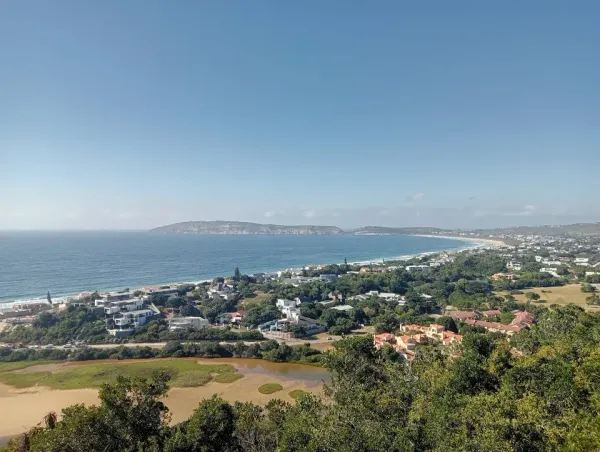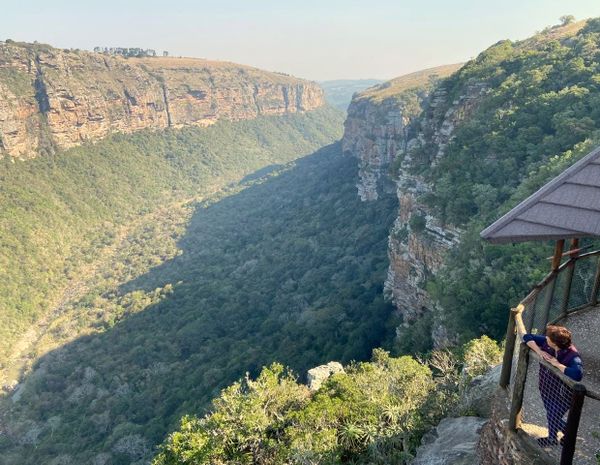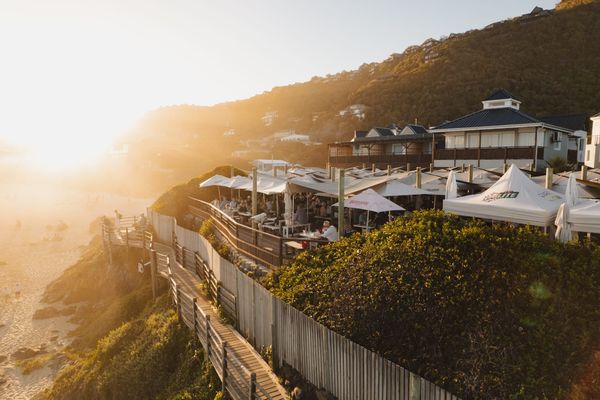
What Makes a Stay Memorable?
Some places become memories long before we leave them. Others are forgotten before we've even unpacked the car. I've often wondered what separates the two.

There are places I've stayed that I can barely remember.
I'm sure they were comfortable enough. The bed was good, the shower worked, breakfast arrived on time and someone had carefully ticked every box expected of a modern guest experience. Yet if you asked me about those places today, I'd struggle to tell you much beyond the practical details. They served their purpose, but they never became part of my story.
Then there are the places that return to me unexpectedly.
A cabin tucked beneath sandstone cliffs where I watched mist drift across the valley while the kettle boiled. A small cottage beside the coast where the wind rattled the windows all night, yet somehow made me feel more at home than silence ever could. A farmhouse where breakfast stretched well into the morning simply because nobody was in a hurry to clear the table.
None of those places were remarkable because of what they offered.
They were remarkable because of how they made me feel.
The more I travel, the more convinced I become that we've been taught to judge accommodation by the wrong standards. We compare thread counts, plunge pools, star ratings and square metres because they're easy things to measure. They're tangible, photograph well and fit neatly into booking websites. Yet the memories we carry home rarely revolve around those details. What stays with us is something far less obvious, and perhaps far more difficult to design.
A memorable stay isn't simply somewhere you sleep.
It's somewhere that changes the way you experience a place.
The journey begins before you arrive
I've always loved the moment when the road changes.
It's rarely dramatic. Sometimes it's nothing more than turning off a busy highway onto gravel, or watching the mobile signal disappear as mountains begin to close in around the road. The landscape grows quieter. Traffic fades away. The radio becomes less interesting than the view outside the window.
Without really noticing, your pace begins to change.
You stop thinking about emails waiting for Monday morning or the errands you forgot to do before leaving home. Instead, your attention shifts towards the landscape itself. You begin noticing rivers running alongside the road, old windmills on distant hills, the changing colour of the vegetation as you move from one valley to the next.
By the time you reach your destination, something inside you has already slowed down.
The best stays understand this instinctively. They don't begin at check-in. They begin with anticipation, with distance, with the feeling that you're gradually leaving one version of life behind and stepping into another.
That transition is part of the experience, and the places that honour it are often the ones we remember most.
Great accommodation doesn't compete with nature
One thing I've noticed about exceptional places to stay is that they rarely ask to be the centre of attention.
The architecture may be beautiful. The interiors might be thoughtfully designed. Every object may have been carefully chosen. Yet none of it feels performative.
Instead, everything seems to direct your attention back towards the landscape.
A large window frames the mountains rather than hiding them behind curtains. A bath is positioned so you can watch the weather move across the valley. A simple wooden chair faces the sunrise instead of the television. Even the colours inside the building often echo those outside, allowing the accommodation to settle naturally into its surroundings rather than standing apart from them.
That's something I've come to appreciate more with every trip.
The places I remember most aren't those that tried to impress me with elaborate design. They're the ones that quietly disappeared into the landscape, allowing nature to remain the main character.
The accommodation became the frame. The view became the artwork.

It's the thoughtful details that linger
Luxury is often associated with extravagance, but I don't think that's what makes people feel welcome.
Thoughtfulness does.
I've stayed in modest cabins where someone had left a basket of firewood stacked beside the fireplace before I arrived, knowing the temperature would drop after sunset. I've found handwritten notes recommending a favourite walking trail rather than the obvious tourist attraction. I've opened cupboards to discover locally roasted coffee, homemade rusks or books that looked as though they'd actually been read rather than selected to complete an interior design scheme.
Individually, these gestures are small.
Collectively, they tell you something important.
Someone imagined your experience before you arrived.
They considered what might make a cold evening feel warmer, what might encourage you to spend another hour outside, or what might help you settle into the rhythm of the place more quickly. That kind of generosity is difficult to quantify, yet it's often what separates a pleasant stay from one that remains vivid years later.
The greatest luxury is having nowhere else to be
Modern travel has become surprisingly busy.
Even holidays can feel like projects to complete. We build itineraries packed with viewpoints, restaurants, activities and attractions, worried that slowing down might mean we're somehow wasting the trip.
The stays I've loved most have gently challenged that idea.
Rather than encouraging me to do more, they quietly invited me to do less.
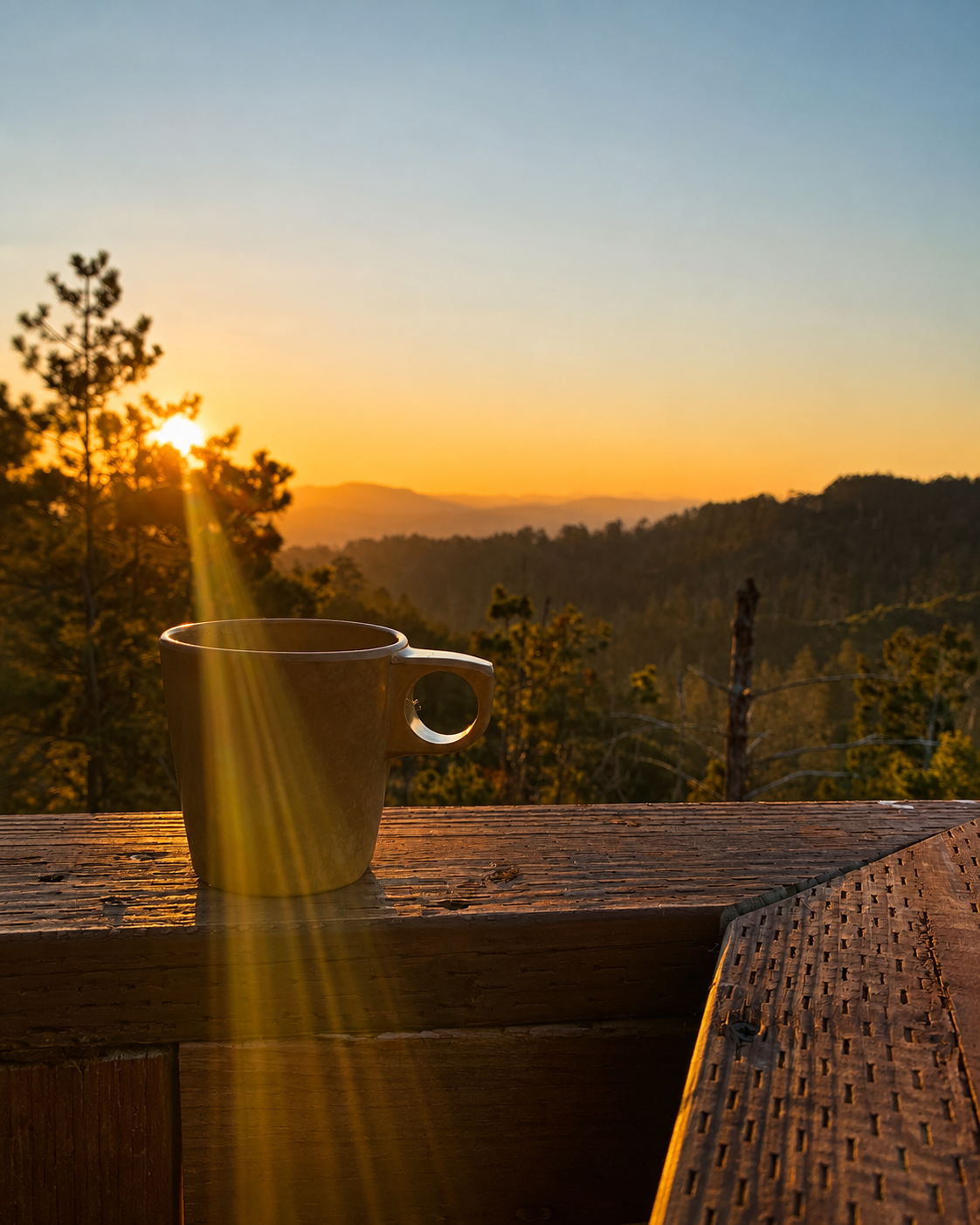
To sit outside with another cup of coffee because the morning light was too beautiful to rush. To spend an afternoon reading while rain moved across the mountains. To walk the same stretch of beach twice in one day simply because it looked different each time.
Those moments would appear uneventful on an itinerary.
Yet they often become the memories I value most.
Perhaps that's because they remind us that rest isn't something we have to earn. Sometimes the purpose of travel isn't to fill every hour with extraordinary experiences, but to rediscover the pleasure of ordinary ones.
We remember feelings, not facilities
It's funny how memory works.
I rarely remember the size of a room or the number of bathrooms in a house. I couldn't tell you whether the Wi-Fi was fast or slow, or what brand of toiletries stood beside the basin.
But I can remember the smell of damp earth after overnight rain.
I remember waking before sunrise because birdsong drifted through an open window. I remember the sound of waves breaking somewhere beyond the dunes while I made coffee. I remember conversations that lasted long after dinner because nobody felt the need to look at the time.
Those memories have very little to do with the accommodation itself.
They're tied to emotion, atmosphere and presence.
The building simply created the conditions for those moments to happen.
Perhaps that's what truly memorable places understand. They aren't selling rooms.
They're creating opportunities for people to reconnect with landscapes, with the people they're travelling alongside, and occasionally with parts of themselves that everyday life leaves little room for.
The Wild Edit philosophy
At The Wild Edit, we don't believe the best places to stay are necessarily the most luxurious or the most exclusive.
We believe the most memorable stays are those that deepen your relationship with a destination.
They encourage you to wake early because the sunrise is worth seeing. They persuade you to linger over breakfast instead of checking your watch. They invite you to leave your phone inside while you sit quietly on a deck listening to birds, waves or wind moving through trees.
Above all, they remind you why you travelled there in the first place.
Long after you've forgotten the layout of the room or the password to the Wi-Fi, you'll still remember how the light fell across the mountains that morning, how the fire smelled after dark, or how peaceful it felt to realise there was nowhere else you needed to be.
For me, that's what makes a stay memorable.
Not the building itself, but the life it quietly encouraged you to live while you were there.