Best Things to Do in Plettenberg Bay: A Local's Guide
From sunrise walks on Robberg Beach to forest trails, wine estates, and whale watching, these are the experiences that make Plettenberg Bay one of South Africa's most rewarding coastal destinations.

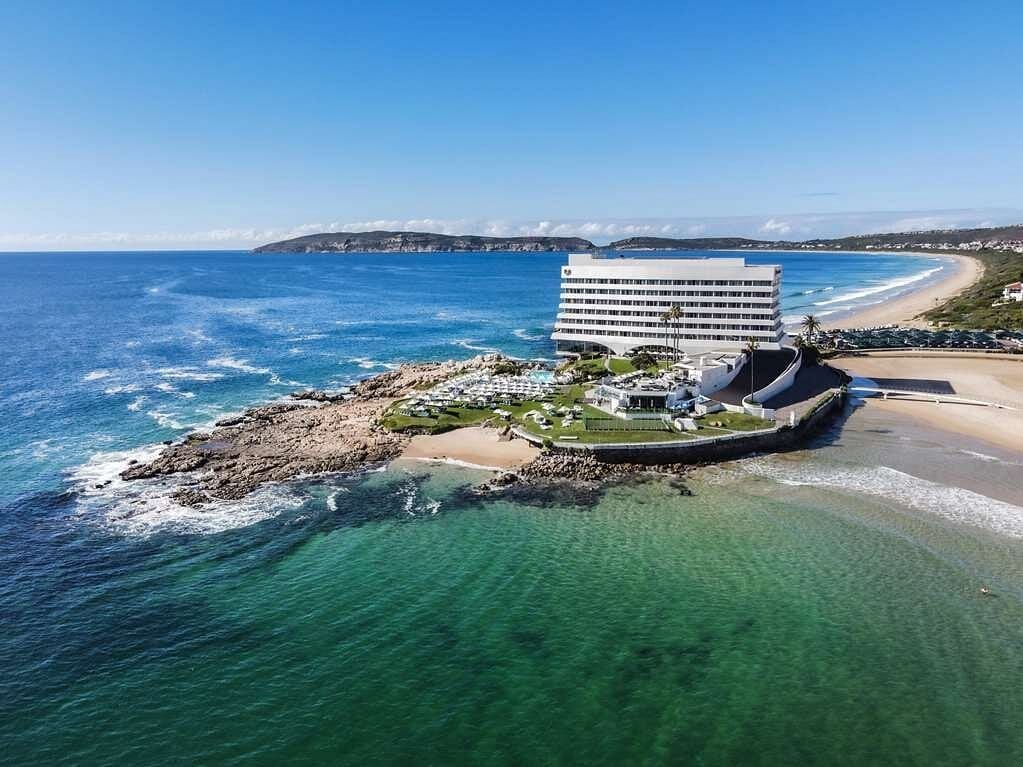
Ask ten people what makes Plettenberg Bay special and you'll probably get ten different answers.
Some come for the beaches. Others for the hiking trails, marine wildlife, surfing, food scene, or simply the feeling of being surrounded by nature while still having great coffee and excellent restaurants within easy reach.
What I love most about Plett is its balance. It's developed enough to be comfortable but still retains a sense of wildness. Within twenty minutes, you can move from a busy café to an empty stretch of coastline or a forest trail where the only sounds are birds and the wind moving through the trees.
If you're planning a visit, these are the experiences I would prioritise.
Table of Contents
- Hike Robberg Nature Reserve
- Spend a Day on the Beaches
- Explore Old Nick Village
- Walk Through the Harkerville Forest
- Go Whale and Dolphin Watching
- Discover Keurbooms Nature Reserve
- Visit Plett's Wine Estates
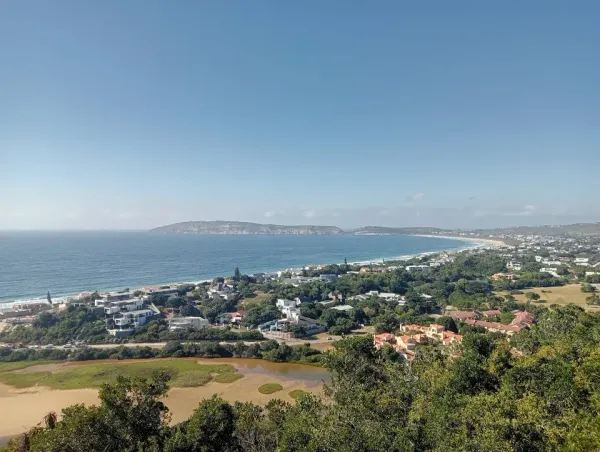
- Explore the Plett Lagoon
- Watch the Sunrise
- Eat Your Way Through Town
- Plan Your Visit
1. Hike Robberg Nature Reserve
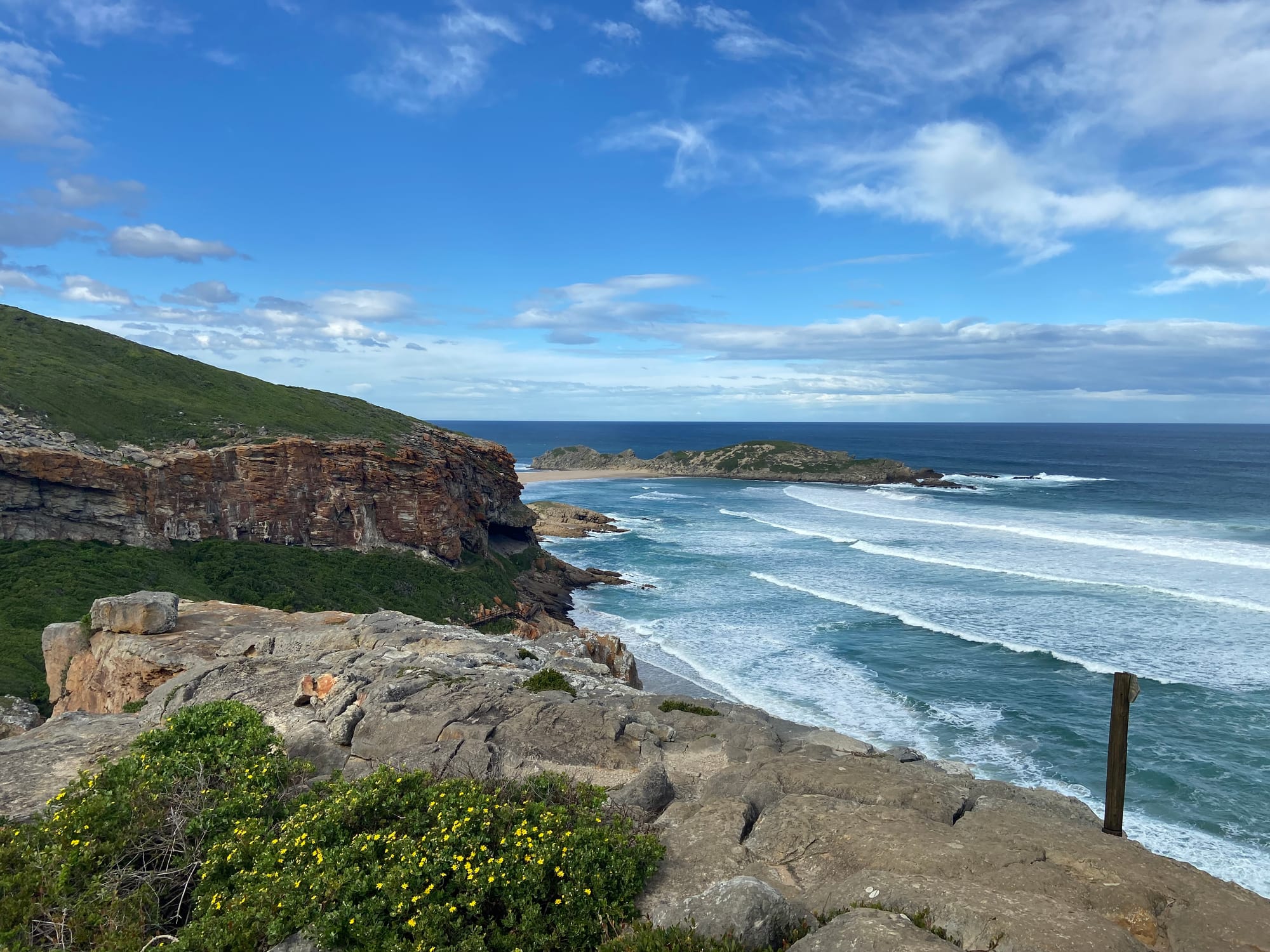
If you only have time for one activity in Plettenberg Bay, make it Robberg.
The peninsula extends dramatically into the ocean, creating one of South Africa's most rewarding coastal hikes. The route in the Nature Reserve combines rugged cliffs, sandy sections, rocky shoreline, seal colonies, and endless ocean views.
There are several route options depending on your fitness level, but the full circular route offers the complete experience.
Local tip: Start early.
Not only will you avoid the heat, but you'll also experience the reserve at its quietest. On calm mornings, the light over the bay can be extraordinary.
Why Visit
- Exceptional coastal scenery
- Wildlife sightings
- Excellent photography opportunities
- Suitable for various fitness levels
2. Spend a Day Exploring the Beaches
Plettenberg Bay has no shortage of beautiful beaches, but each offers a different experience.
Robberg Beach
Perfect for long walks.
The beach stretches for kilometres and rarely feels crowded outside peak holiday periods.
Lookout Beach
Popular with families and surfers.
It's also a great place to watch the river meet the ocean.
Keurbooms Beach
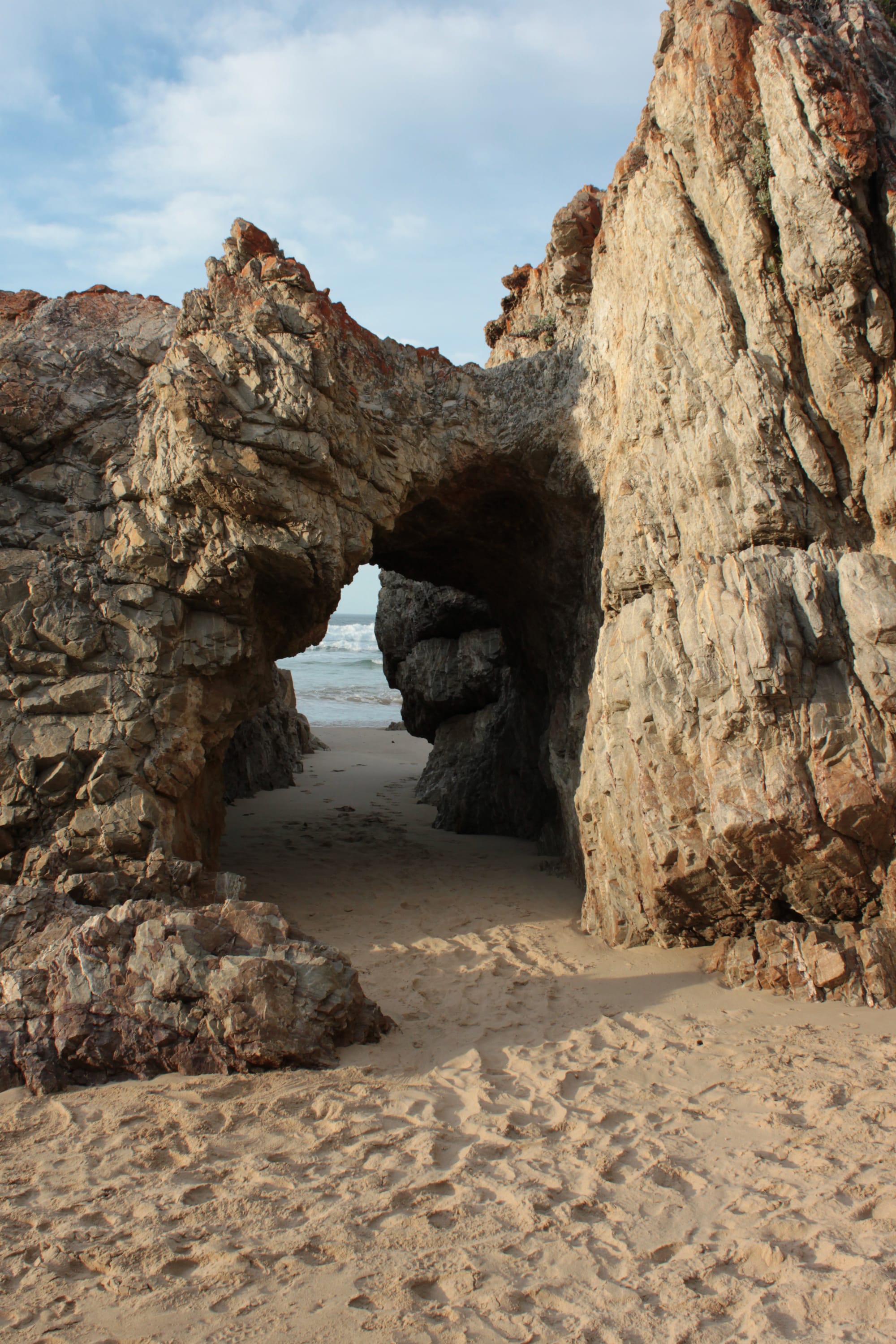
One of my personal favourites.
There's something about the scale of Keurbooms that makes it feel different. The beach seems to go on forever, and it's often possible to find your own quiet stretch of sand.
Central Beach
Ideal for swimming, paddling, and water sports.
3. Explore Old Nick Village
Old Nick Village is one of those places that's easy to overlook but worth slowing down for.
Set just outside town, it combines artisan shops, local crafts, design studios, cafés, and gardens in a relaxed setting.
It's particularly good on rainy days or when you need a break from the beach.
You'll find:
- Handmade ceramics
- Local textiles
- Homeware
- Artisan food products
- Excellent coffee
Allow an hour or two to wander.
4. Walk the Harkerville Trails
Most visitors know Robberg.
Far fewer discover Harkerville.
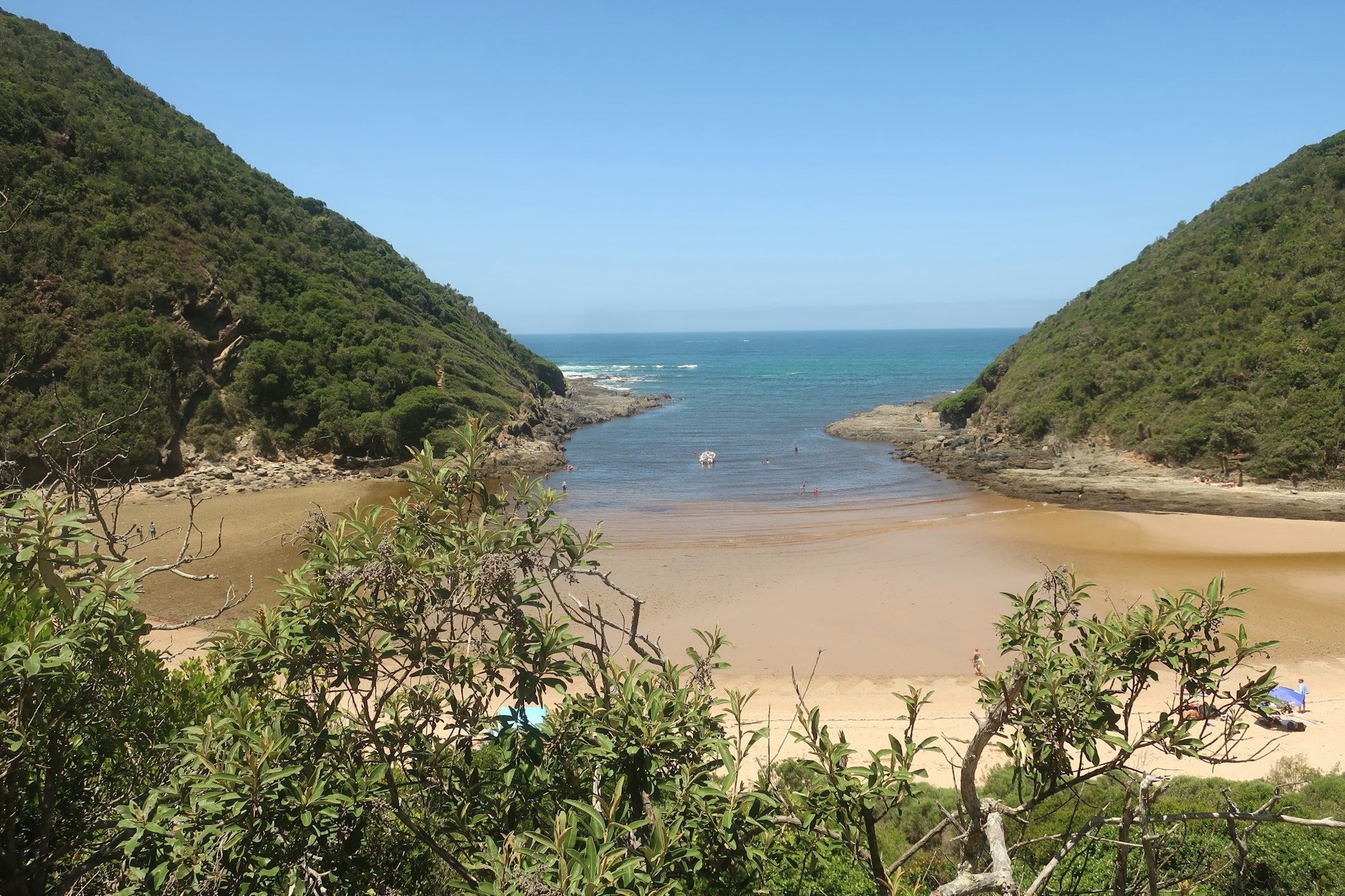
Located between Plettenberg Bay and Knysna, this network of forest and coastal trails offers some of the most rewarding hiking on the Garden Route.
The routes vary in length and difficulty, making them accessible for most visitors.
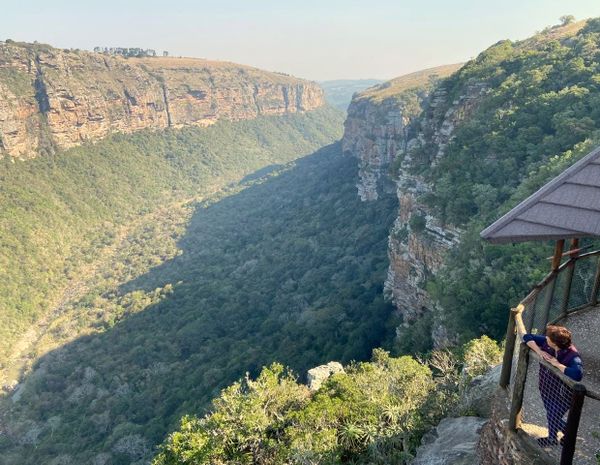
What makes Harkerville special is the contrast between environments. One moment you're walking beneath indigenous forest canopy. The next you're looking out over the coastline from elevated viewpoints.
5. Go Whale and Dolphin Watching

Marine wildlife is one of Plettenberg Bay's greatest assets.
Depending on the season, visitors may encounter:
- Southern right whales
- Humpback whales
- Dolphins
- Cape fur seals
The best whale watching period generally runs from June to November.
One of the advantages of Plett is that you don't necessarily need to book a boat trip. During whale season, sightings from coastal viewpoints and hiking trails are common.
Robberg often provides excellent opportunities.
6. Visit Keurbooms Nature Reserve
Many travellers visit Keurbooms Beach but never explore the surrounding reserve.
This protected area offers:
- Forest walks
- River activities
- Birdwatching
- Canoeing
- Quiet picnic spots
The Keurbooms River is particularly beautiful on calm days.
Renting a canoe or kayak is one of the best ways to experience the area.
7. Explore Plett's Wine Estates
The Plettenberg Bay Wine Route remains one of South Africa's lesser-known wine regions.
Because it's smaller than Stellenbosch or Franschhoek, tastings often feel more personal and relaxed.
Some worthwhile stops include:
Newstead Lund Family Vineyards
Known for sparkling wines and beautiful views.
Bramon Wine Estate
A popular lunch destination with vineyard dining.
Kay & Monty
A boutique estate producing small-batch wines.
These estates work particularly well as afternoon stops after a morning spent outdoors.
8. Spend Time on the Lagoon
The Keurbooms and Bitou river systems create an environment that feels completely different from the ocean-facing beaches.
Popular activities include:
- Kayaking
- Paddleboarding
- Boat cruises
- Fishing
The calm water also makes it ideal for families with younger children.
9. Watch the Sunrise
Most people talk about sunsets.
Personally, I think Plett's mornings are underrated.
Watching the sun rise over the ocean from Robberg Beach or Lookout Beach offers a completely different perspective on the town.
The beaches are quiet.
The air feels fresh.
Everything slows down.
It's one of the simplest experiences on this list and one of the most memorable.
10. Eat Your Way Through Town
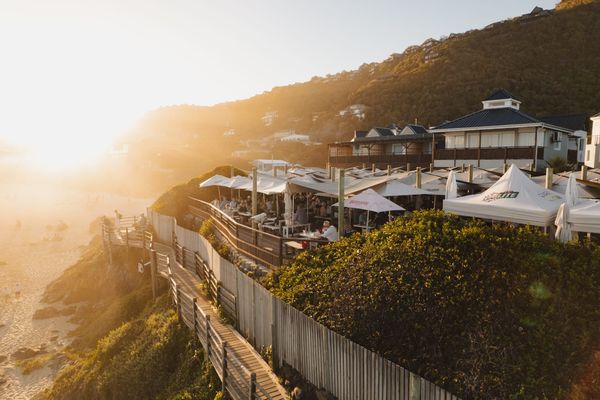
Plettenberg Bay's restaurant scene continues to improve each year.
Barrington's
A local favourite with a relaxed atmosphere and excellent craft beer.
Nguni
One of the town's most consistent dining experiences.
Emily Moon
Worth visiting as much for the atmosphere as the food.
Newstead Lund
Ideal for a long lunch overlooking the vineyards.
My advice?
Don't over-plan.
Leave room for spontaneous discoveries.
Some of my favourite meals in Plett have happened simply because we followed a recommendation or stopped somewhere that looked interesting.
When Is the Best Time to Visit Plettenberg Bay?
Summer (December–February)
Best for:
- Beach days
- Swimming
- Water sports
Expect crowds during school holidays.
Autumn (March–May)
Arguably the sweet spot.
Warm weather, fewer visitors, and excellent hiking conditions.
Winter (June–August)
Ideal for:
- Whale watching
- Hiking
- Cosy stays
Spring (September–November)
A wonderful time for outdoor activities and wildlife encounters.
Frequently Asked Questions
What is Plettenberg Bay best known for?
Plettenberg Bay is known for its beaches, Robberg Nature Reserve, marine wildlife, hiking trails, and outdoor lifestyle.
How many days should you spend in Plettenberg Bay?
Three to four days allows enough time to enjoy the beaches, hiking trails, restaurants, and nearby attractions without rushing.
Is Robberg Nature Reserve worth visiting?
Absolutely. It's widely considered one of the best coastal hikes in South Africa.
Can you see whales in Plettenberg Bay?
Yes. Southern right whales are commonly seen between June and November.
Is Plettenberg Bay family friendly?
Very much so. The beaches, lagoon, wildlife experiences, and outdoor activities make it one of South Africa's most family-friendly coastal destinations.
Plett Has A Special Place In My Heart
What keeps bringing me back to Plettenberg Bay isn't any single attraction.
It's the rhythm of the place.
Morning walks on the beach. Long lunches. Forest trails. Ocean swims. Watching dolphins from a headland. Discovering a new coffee spot tucked away down a side street.
Plett doesn't demand an itinerary packed with activities. The best visits often happen when you leave enough space to enjoy whatever the day brings.
See you in The Wild.
 The Wild Edit