Cederberg Stargazing Guide: Experiencing South Africa's Darkest Skies
Far from city lights and crowded viewpoints, the Cederberg offers some of the darkest skies in South Africa. This guide explores the best places to go stargazing, when to visit, where to stay, and how to make the most of a night beneath the stars.


The first star usually appears before you're ready for it.
One moment the mountains are glowing in the last light of day. The next, the sandstone cliffs begin to fade into silhouette and a single bright point appears above the horizon.
Then another.
And another.
Within an hour, the entire sky seems alive.
I've spent evenings around campfires in many parts of South Africa, but few places compare to the Cederberg after dark. The absence of towns, highways and city lights creates a kind of darkness that many of us rarely experience anymore. It isn't dramatic or overwhelming. It's simply quiet. The kind of darkness that encourages you to stay outside a little longer, look up a little more often and forget about the time.
For many visitors, stargazing isn't the reason they initially come to the Cederberg.
Yet it often becomes one of the most memorable parts of the trip.
Why the Cederberg is One of South Africa's Best Stargazing Destinations
The Cederberg offers a combination of conditions that make it particularly well suited to stargazing.
The region is sparsely populated, with very little artificial light once you leave Clanwilliam behind. Many accommodation properties are located deep within mountain valleys, far from major roads or urban development.
The dry climate also plays an important role. Clear skies are common throughout much of the year, especially during autumn and winter when atmospheric conditions are often at their best.
Combined with the region's elevation and open landscapes, these factors create exceptional visibility after sunset.
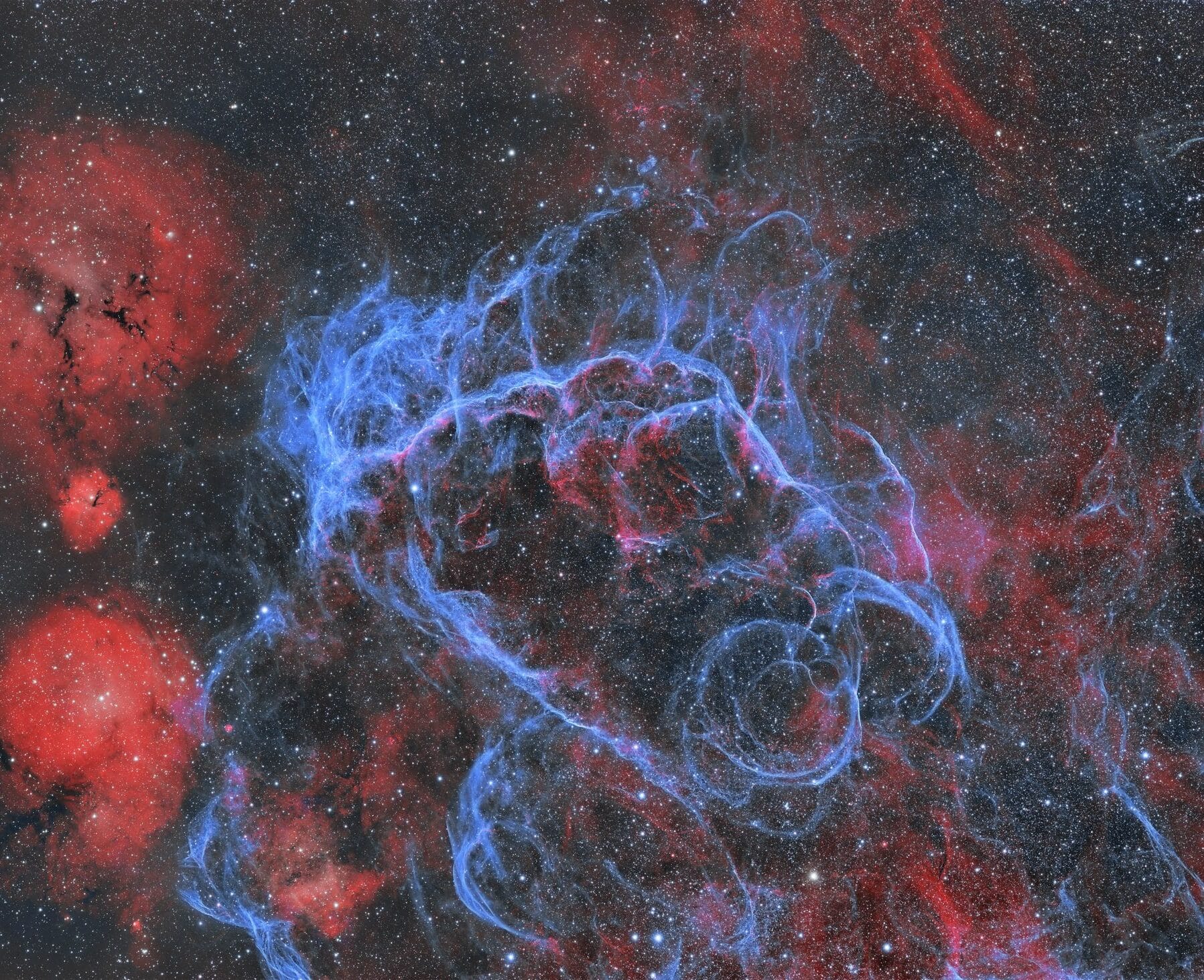
On moonless nights, the Milky Way becomes clearly visible to the naked eye. Constellations stand out with remarkable clarity, and shooting stars are common enough that most visitors spot at least one during an evening outdoors.
The Best Time to Go Stargazing in the Cederberg
While stargazing is possible throughout the year, some seasons offer better conditions than others.
Winter (June to August)
Winter is often considered the best time for stargazing.
Cold fronts may occasionally bring cloud cover, but between weather systems the skies are often exceptionally clear. The cooler temperatures also reduce atmospheric haze, making stars appear brighter and more defined.
The downside is the cold. Temperatures can drop significantly after sunset, particularly at higher elevations.
Autumn (March to May)
Autumn offers an excellent balance between comfortable weather and clear skies.
Days remain warm enough for hiking and outdoor activities, while evenings are cool and pleasant for spending time outside.
For many travellers, this is the ideal season to combine stargazing with a broader Cederberg adventure.
Spring (September to November)
Spring is a wonderful time to visit, especially when wildflowers begin appearing across parts of the region.
Conditions for stargazing remain good, although occasional cloud cover becomes more common than in winter.
Summer (December to February)
Summer nights are warm and comfortable, making it easy to spend long evenings outdoors.
Visibility can still be excellent, although atmospheric conditions are sometimes less crisp than during the cooler months.
Plan Around the Moon
The phase of the moon often matters more than the season.
A full moon can brighten the landscape beautifully, but it also reduces visibility of fainter stars and the Milky Way.
If your goal is to experience the darkest possible skies, plan your visit close to the new moon.
The Best Stargazing Spots in the Cederberg
One of the advantages of the Cederberg is that you don't necessarily need to travel to a specific viewpoint.
The darkness is often the attraction itself.
That said, certain locations consistently provide exceptional conditions.
Sanddrif
Sanddrif sits at the heart of some of the region's most dramatic mountain scenery.
The surrounding valleys provide wide-open views with minimal obstructions, making it one of the best places to spend an evening watching the stars emerge.
If you're staying nearby, simply stepping away from artificial lighting can transform the experience.
Kromrivier
Known for its hiking trails and mountain scenery, Kromrivier also offers excellent night skies.
The surrounding peaks create a striking silhouette against the stars, adding depth and atmosphere to evening photography.
Wupperthal
The drive to Wupperthal feels remote.
The village itself feels even more so.
The lack of significant development in the surrounding area creates particularly dark skies, making it one of the most rewarding locations for travellers seeking a quieter experience.
Remote Farm Stays
Some of the best stargazing experiences happen without any planning at all.
Many farm stays throughout the Cederberg are located far from neighbouring properties and artificial light sources. Sitting on a stoep with a blanket and a cup of rooibos tea often proves just as memorable as travelling to a dedicated viewpoint.
Where to Stay for the Best Stargazing
Choosing the right accommodation can dramatically improve the experience.
Best for Luxury Travellers
Bushmans Kloof Wilderness Reserve
The expansive wilderness setting and minimal light pollution make evenings here particularly rewarding.
Best for Hikers
Sanddrif Guest Farm
Excellent access to hiking trails combined with superb night skies.
Best for Couples
Cederberg Ridge Wilderness Lodge
Comfortable accommodation, mountain views and peaceful evenings create a wonderful setting for slow travel.
Best for Camping
Sanddrif Campsite
There is something special about unzipping a tent and finding the Milky Way stretching across the sky above you.
Camping remains one of the most immersive ways to experience the Cederberg after dark.
Astrophotography in the Cederberg
You don't need professional equipment to appreciate the night sky.
However, photographers will find the Cederberg particularly rewarding.
The sandstone formations provide dramatic foreground elements, while the open landscapes create endless composition opportunities.
Some useful tips:
- Use a sturdy tripod
- Photograph during the new moon
- Scout locations before sunset
- Include rock formations in the foreground
- Bring spare batteries
- Dress warmly
Many of the best images combine the stars with iconic Cederberg landscapes rather than focusing solely on the sky itself.
What to Pack for a Night Under the Stars
Even if you're staying in a comfortable lodge, a few items can make the experience more enjoyable.
Consider bringing:
- A warm jacket
- Blanket
- Headlamp with red light mode
- Binoculars
- Thermos flask
- Camera and tripod
- Comfortable chair if camping
One of the most common mistakes visitors make is underestimating how cool evenings can become.
More Than Just Stargazing
What makes the Cederberg special isn't only the number of stars you can see.
It's the setting.
A night in the mountains often begins with a sunset over sandstone cliffs and ends beside a fire beneath a sky filled with stars. The transition feels gradual and unhurried.
There are no crowds waiting for the perfect photograph.
No designated viewing platform. No schedule. Just mountains, silence and a sky that seems larger than you remembered.
The best stargazing experiences are rarely the ones you plan most carefully.
They happen when dinner runs a little later than expected, when the campfire burns low, or when you step outside before bed and decide to stay a few minutes longer.
The Cederberg creates those moments naturally.
If you're looking for one of the simplest and most rewarding outdoor experiences in the Western Cape, spend a night here. Bring a warm layer, switch off your phone and look up.
You might find that the stars become your favourite part of the trip.
See You In The Wild
 The Wild Edit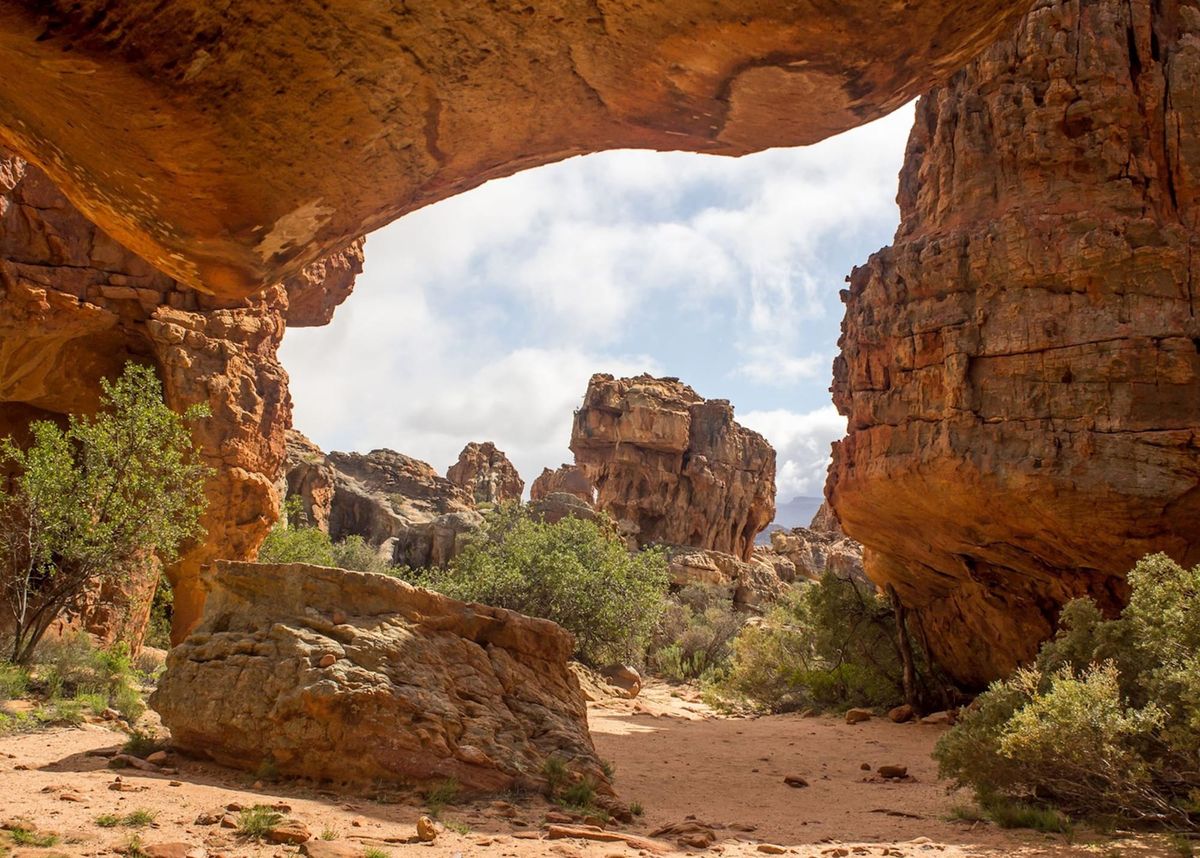
Read more about the Cederberg.