Plettenberg Bay in Winter: Why It Might Be the Best Time to Visit
Winter is one of Plettenberg Bay's best-kept secrets. With whale watching, empty beaches, crisp hiking weather and fewer crowds, it's a season that rewards travellers looking for a slower, more relaxed Garden Route experience.

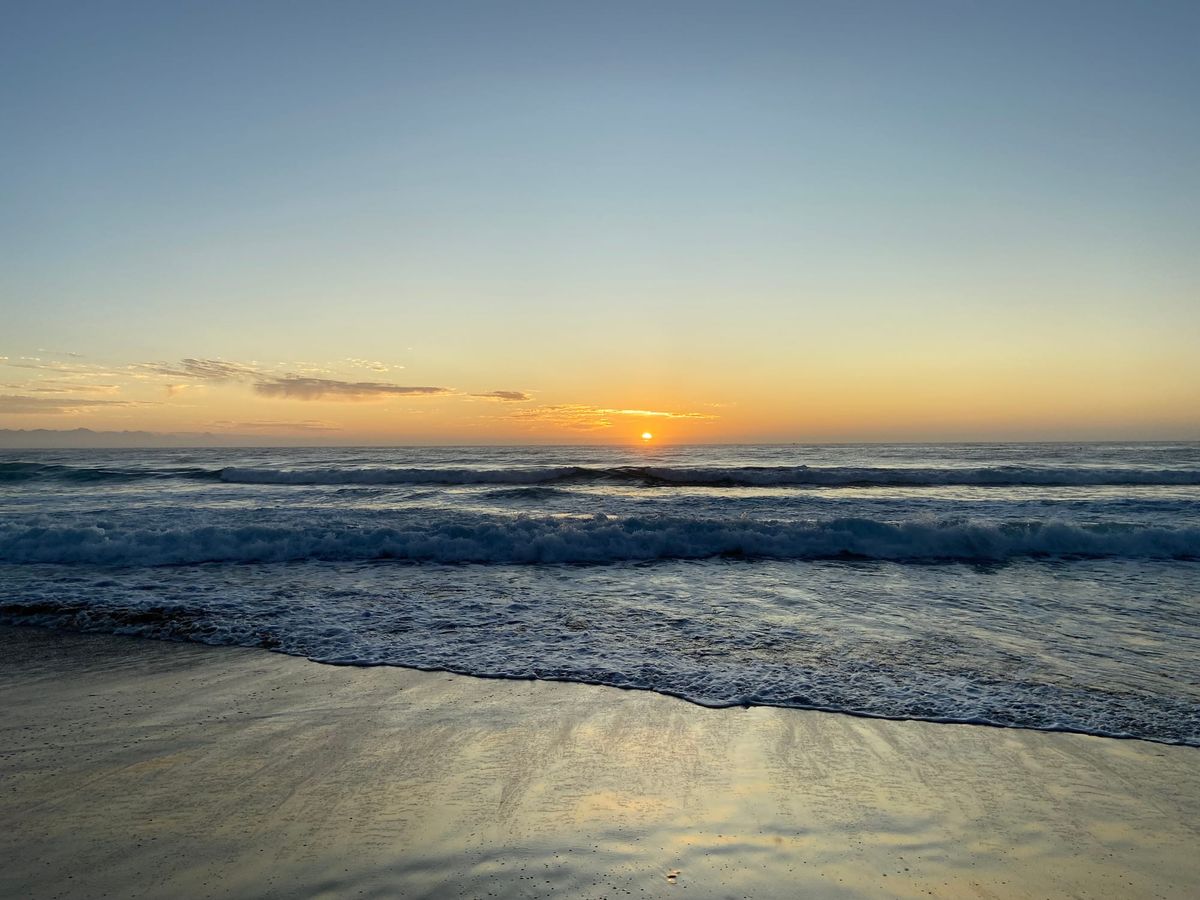
For many people, Plettenberg Bay is a summer destination.
It's where families spend December holidays on the beach, restaurants spill onto the pavements and the town buzzes with visitors enjoying long, warm days by the ocean. If you've only ever visited during peak season, it's easy to assume that's when Plett is at its best.
But spend a winter weekend here, you'll discover a completely different side of the town.
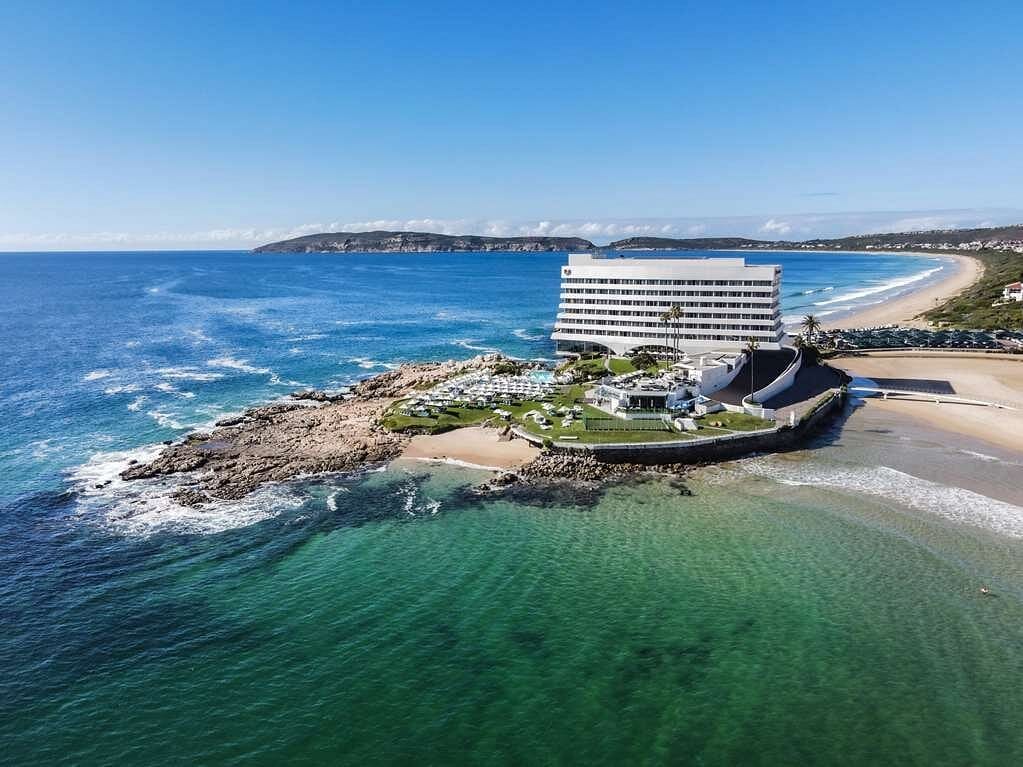
The beaches become quieter, hiking trails are far more comfortable to explore, and whale season brings one of South Africa's most remarkable wildlife experiences right to the coastline. Cafés and restaurants feel more relaxed, it's easier to book accommodation and you can enjoy the same spectacular scenery without the holiday crowds.
Winter also changes the pace of a visit.
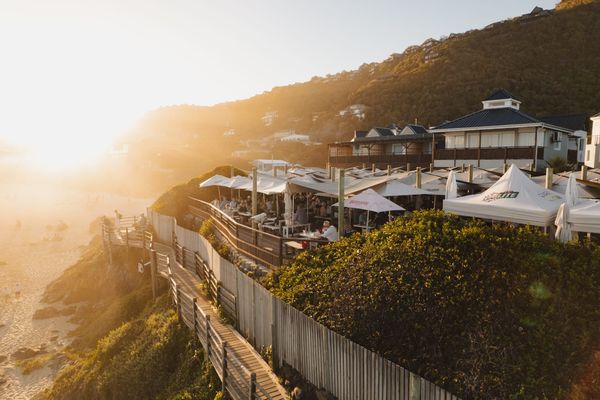
Instead of planning every hour around beach weather, you have the freedom to follow whatever the day brings. You might start with a sunrise walk along Poortjies Lagoon, spend the morning hiking Robberg Nature Reserve, enjoy a leisurely lunch in The Crags and finish the day watching the sun set over Keurboomstrand.
Some days are bright and clear. Others arrive with mist over the lagoon or dramatic clouds rolling across the bay. Rather than taking away from the experience, the changing weather gives the landscape a completely different character. It's one of the reasons photographers, hikers and locals often look forward to this time of year.
That's not to say winter is better than summer.
It's simply different.
If you enjoy quieter destinations, cooler walking weather, incredible marine wildlife and the chance to experience Plettenberg Bay at a slower pace, winter might become your favourite season to visit.
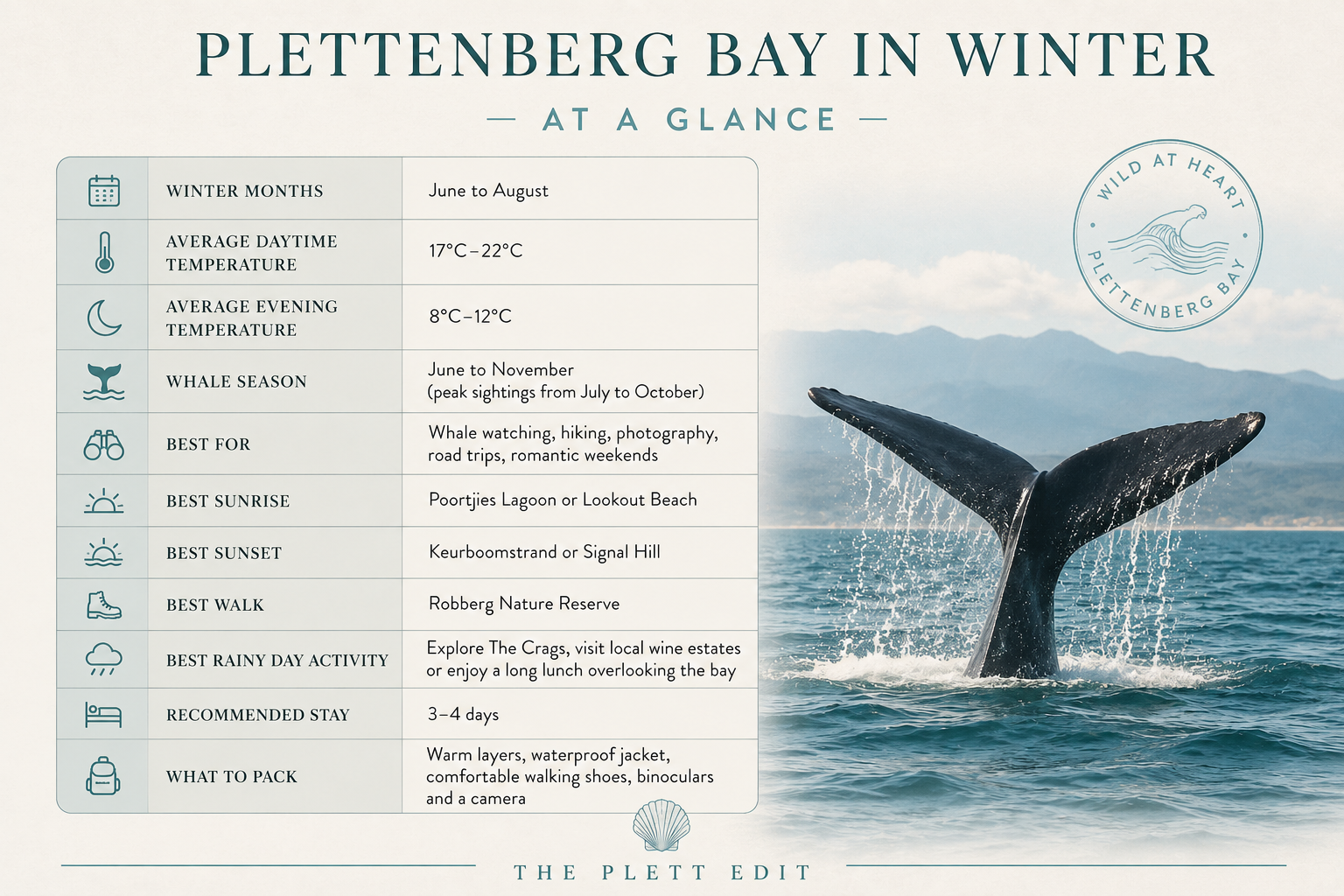
Winter in Plettenberg Bay at a Glance
Why Visit Plettenberg Bay in Winter?
Every season has something to offer in Plettenberg Bay, but winter appeals to a different kind of traveller.
Rather than revolving around busy beaches and summer holidays, it's a season shaped by wildlife, walking trails and quieter moments outdoors. If you enjoy exploring destinations at a slower pace, you'll probably appreciate winter more than you expect.
Whale Watching Comes Into Its Own
Winter marks the arrival of southern right whales along the Garden Route coastline. Between June and November, these gentle giants migrate from Antarctica to calve and raise their young in the sheltered bays around Plettenberg Bay.
You don't necessarily need to book a boat trip to enjoy the experience. Whales are regularly spotted from Robberg Nature Reserve, Signal Hill, Lookout Beach and the Kranshoek cliffs. That said, joining a guided marine safari offers an unforgettable perspective and the opportunity to learn more about the marine life that calls these waters home.
For many visitors, whale season alone is enough reason to visit during winter.
Perfect Weather for Walking and Hiking
If you've ever hiked Robberg during the height of summer, you'll know how quickly the midday heat can become challenging.
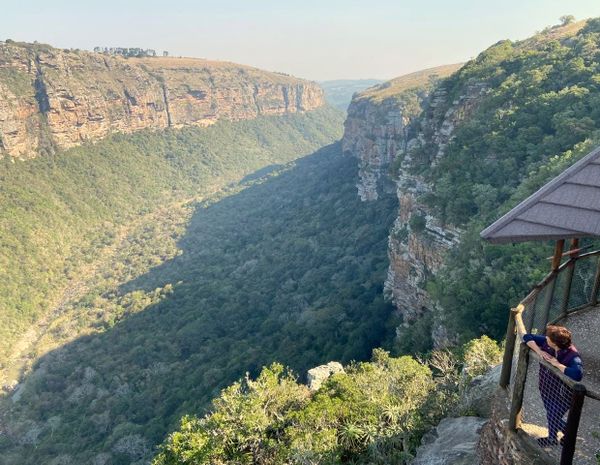
Winter offers ideal conditions for exploring the region's walking trails. Cooler temperatures make longer hikes far more comfortable, whether you're tackling Robberg Peninsula, wandering through Harkerville Forest or exploring the coastal paths around Kranshoek.
Even simple beach walks become more enjoyable when you're not trying to escape the afternoon sun.
Quieter Beaches and Viewpoints
One of winter's biggest advantages is space.
Popular beaches like Central Beach, Keurbooms and Lookout Beach feel completely different outside the festive season. You'll often have long stretches of sand almost to yourself, making it the perfect time for photography, morning walks or simply sitting beside the ocean with a coffee.
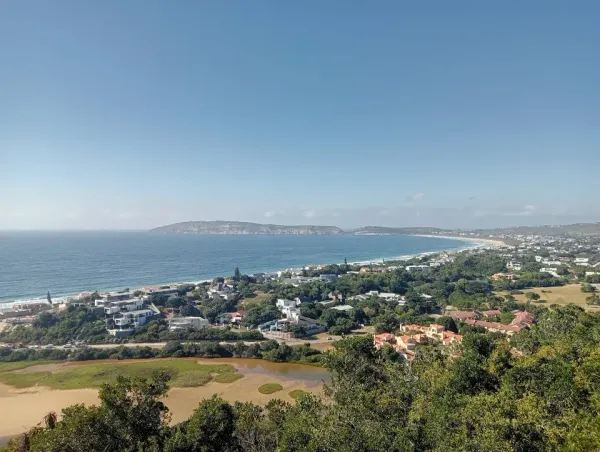
The same applies to viewpoints across the region. Signal Hill, one of the best panoramic viewpoints in Plettenberg Bay, is a peaceful place to watch the changing light across the bay or scan the ocean for whales.
A Great Time to Explore Beyond the Coast
Winter is also an excellent excuse to venture inland.
The Crags is only a short drive from Plettenberg Bay but offers a completely different landscape. Vineyards, farm cafés, wildlife sanctuaries and country roads make it an easy addition to a winter itinerary, particularly on cooler or overcast days.
Combined with stops at places like Old Nick Village or the surrounding farm stalls, it adds another dimension to a visit that's often overlooked during the busy summer months.
Better Value and a More Relaxed Atmosphere
Travelling outside peak season often means better accommodation availability and more competitive rates, particularly for boutique guesthouses and private cottages.
More importantly, the town feels relaxed.
Restaurants are easier to book, attractions are less crowded and there's no pressure to rush from one place to the next. It's the kind of season that encourages long breakfasts, spontaneous detours and afternoons that unfold without a strict itinerary.
That's ultimately what makes winter in Plettenberg Bay so enjoyable.
The scenery hasn't changed. The beaches are still beautiful and the landscapes are just as dramatic.
The difference is that you have the time and space to appreciate them.
The Best Things to Do in Plettenberg Bay During Winter
Winter isn't about replacing summer activities with indoor alternatives. If anything, it's the opposite. The cooler temperatures make it easier to spend longer outdoors, whether you're hiking along the coast, exploring the forests or watching whales from the shoreline.
Rather than trying to fit everything into a single weekend, choose a handful of experiences and enjoy them properly. Winter rewards a slower pace.
Experience Whale Season Along the Garden Route
For many visitors, whale watching is the highlight of winter in Plettenberg Bay.
Between June and November, southern right whales arrive along the coastline to calve and nurse their young. Peak sightings usually fall between July and October, and seeing a whale breach against the backdrop of the Robberg Peninsula is something that stays with you long after you've gone home.
One of the best things about whale season in Plettenberg Bay is that you don't always need to book a tour. There are plenty of viewpoints where whales can often be spotted from land, particularly on calm mornings. Robberg Nature Reserve, Signal Hill, Lookout Beach and the cliffs around Kranshoek all offer excellent vantage points.
If you'd like a closer encounter, a guided whale-watching tour is well worth considering. Operators like Ocean Blue Adventures head out daily during the season, giving visitors the opportunity to see whales alongside dolphins, Cape fur seals and a variety of seabirds while learning more about the marine ecosystem.
Top tip: Bring a pair of binoculars, even if you're staying on land. They make a remarkable difference when scanning the bay.
Hike Robberg Nature Reserve
If there is one activity that becomes noticeably better in winter, it's hiking Robberg.
Summer walks can be demanding under the midday sun, but winter's cooler weather makes every route more enjoyable. Whether you're choosing the shorter circular walk or committing to the full peninsula loop, you'll spend less time looking for shade and more time appreciating the landscape around you.
The scenery changes constantly as you make your way around the reserve. Sandy paths give way to rocky cliffs, waves crash against the shoreline below and the resident seal colony can often be heard long before it comes into view.
During whale season, it's worth stopping regularly to scan the ocean. Seeing a southern right whale from the cliffs is one of those moments that reminds you just how wild this coastline still is.
Allow plenty of time for your walk. Robberg isn't somewhere to rush through. The viewpoints deserve a few extra minutes, and you'll almost certainly find yourself stopping for photographs along the way.
Explore The Crags
Not every winter day needs to be spent beside the ocean.
Just twenty minutes outside Plettenberg Bay, The Crags offers a completely different landscape of vineyards, indigenous forest, farm stalls and country roads. It's an easy drive and makes for one of the most enjoyable day trips in the region.
Winter is arguably the best time to visit. The mountains often appear crystal clear after a cold front, the roads are quieter and the cooler temperatures encourage long lunches outdoors rather than quick stops between attractions.
Start your morning with a wine tasting, browse one of the local farm shops, enjoy lunch overlooking the vineyards and leave enough time to simply explore without a fixed itinerary.
It's the sort of place where the drive itself becomes part of the experience.
Walk the Beaches Without the Crowds
Winter reveals a side of Plettenberg Bay that many summer visitors never experience.
Central Beach, Lookout Beach and Keurbooms Beach are all noticeably quieter, making them ideal for long walks, photography and simply enjoying the coastline without the bustle of peak season.
One of my favourite winter mornings starts at Poortjies Lagoon. As the sun rises behind the Outeniqua Mountains, the lagoon gradually comes to life. Fishermen launch their boats, birds feed along the shoreline and the first light reflects across the calm water.
Later in the day, Keurbooms Beach offers a completely different atmosphere. Long stretches of sand invite you to wander for kilometres, often passing only a handful of other walkers.
These aren't beaches you need to "do". They're places to spend time.
Discover the Forests Around Harkerville
Plettenberg Bay isn't only about beaches.
Just inland, Harkerville Forest provides a welcome contrast to the open coastline. Indigenous trees, winding trails and birdsong create a peaceful environment that's particularly enjoyable after winter rain.
If you're choosing a short walk or one of the longer hiking routes, the forest offers a different perspective on the Garden Route's natural beauty.
If you've already explored Robberg, spending a morning in Harkerville is a wonderful way to experience another side of the region.
Slow Down Over a Long Lunch
One of the unexpected pleasures of winter is how much easier it is to linger over lunch.
Without the pressure of summer crowds, restaurants feel calmer and service is often more relaxed. It's the perfect excuse to enjoy an afternoon overlooking the ocean or tucked away on a wine estate in The Crags.
Some of my favourite winter days have involved nothing more complicated than a good meal, a bottle of local wine and no plans for the rest of the afternoon.
Those quieter moments often become the most memorable part of the trip.
Where to Stay in Winter
Winter changes what makes a great place to stay.
During summer, accommodation often serves as a base between beach visits. In winter, it becomes a bigger part of the experience. You're more likely to spend an afternoon reading on a covered deck, lighting a fireplace or watching changing weather roll across the bay.
When choosing where to stay, think about the kind of weekend you want rather than simply how close you are to the beach.
Forest Cabins
If your idea of a winter escape involves birdsong, morning mist and complete privacy, a forest cabin is difficult to beat.
The indigenous forests surrounding Plettenberg Bay and The Crags are home to a growing collection of beautifully designed cabins that place nature at the centre of the experience. Large windows, wood-burning fireplaces and outdoor baths make them particularly inviting during the cooler months.
They're ideal for couples looking to disconnect for a few days.
Boutique Guesthouses
Plettenberg Bay has no shortage of excellent guesthouses, many with sweeping views across the bay.
Winter often brings better availability, giving visitors access to rooms that can be difficult to secure during peak season.
Many owners are also happy to share local recommendations, from the best whale viewpoints to quieter restaurants and scenic drives.
Beachfront Stays
Staying close to the ocean isn't only for summer.
There's something incredibly peaceful about waking up to the sound of waves on a crisp winter morning before heading out for a walk along an almost empty beach.
If you're planning to spend time whale watching or exploring Robberg, staying near Central Beach or Lookout Beach provides easy access to many of the area's best attractions.
Country Retreats in The Crags
For visitors looking for complete tranquillity, The Crags offers a different style of escape.
Surrounded by vineyards, indigenous forest and open countryside, accommodation here feels wonderfully removed from everyday life while still being only a short drive from Plettenberg Bay.
It's an excellent choice for couples celebrating a special occasion or anyone wanting to experience the quieter side of the Garden Route.
Winter Weather and What to Pack
Winter in Plettenberg Bay is generally mild, but conditions can change quickly.
A clear morning may give way to passing showers before the sun returns later in the afternoon. Rather than expecting continuous cold weather, it's better to prepare for a mix of conditions.
Daytime temperatures usually range between 17°C and 22°C, making it comfortable for hiking, sightseeing and exploring. Evenings are cooler, particularly if you're staying close to the coast, so a warm layer quickly becomes essential after sunset.
If you're planning to spend time outdoors, packing the right clothing will make your trip much more enjoyable.
I always recommend bringing:
- Comfortable walking shoes for beaches and hiking trails
- A lightweight waterproof jacket for passing showers
- Warm layers for mornings and evenings
- A beanie or light scarf if you're heading out before sunrise
- Binoculars for whale watching
- A camera with a telephoto lens if photography is one of your priorities
- A reusable water bottle and daypack for longer walks
Winter doesn't require bulky clothing, but dressing in layers allows you to stay comfortable throughout the day as temperatures change.
More importantly, come prepared to spend time outside.
That's where Plettenberg Bay is at its best, whatever the season.
A 3-Day Winter Itinerary for Plettenberg Bay
One of the biggest advantages of visiting Plettenberg Bay in winter is that you don't need to rush. Three days gives you enough time to experience the coastline, spend time inland and still leave room for the unexpected.
Rather than trying to tick off every attraction, this itinerary is designed to help you experience the destination at a comfortable pace.
Day One: Settle Into the Coast
Arrive in Plettenberg Bay and take your time settling in.
If you're arriving before lunch, drop your bags and head straight for the coastline. A walk along Central Beach or Robberg Beach is the perfect introduction to the town, giving you your first views of the bay and, if you're visiting during whale season, perhaps your first glimpse of whales offshore.
For lunch, choose a restaurant overlooking the ocean and enjoy your first afternoon without feeling like you have to be somewhere else.
Later in the afternoon, drive up to Signal Hill Lookout. The panoramic views across Central Beach, Robberg Peninsula and the lagoon are spectacular at any time of year, but winter often brings exceptionally clear conditions.
If you're visiting between July and October, spend a little time scanning the bay before sunset. It's one of the easiest places to spot whales from land.
Finish the day with dinner at one of Plettenberg Bay's excellent restaurants before returning to your accommodation.
Day Two: Robberg and The Crags
Start early.
Grab a coffee before heading to Robberg Nature Reserve, where cooler winter temperatures make hiking far more enjoyable than during the height of summer.
Whether you choose the short circular route or the full peninsula hike, allow yourself plenty of time. Stop at the viewpoints, watch the seal colony below and keep an eye on the ocean throughout the walk.
After your hike, spend the afternoon exploring The Crags.
Enjoy a leisurely wine tasting, browse local farm shops or simply take the scenic route between vineyards and countryside. Winter is one of the best times to visit this part of the Garden Route, with crisp mountain views and far fewer visitors than during peak season.
If time allows, finish the afternoon with a relaxed lunch overlooking the vineyards before making your way back towards Plettenberg Bay.
Day Three: Slow Morning and Whale Watching
There's no need to set an alarm, but it's worth making the effort for sunrise if the forecast looks promising.
Head to Poortjies Lagoon, where the calm water often mirrors the Outeniqua Mountains as the first light reaches the bay. It's one of the most peaceful places to begin the day and offers a completely different atmosphere to the open coastline.
If you've booked a whale-watching tour, today is the perfect opportunity to head out onto the water. Seeing southern right whales from a boat provides a perspective that's impossible to appreciate from land, and there's always the possibility of encountering dolphins, Cape fur seals and seabirds along the way.
Before leaving Plettenberg Bay, stop for one final coffee and take a slow drive through town.
Winter has a habit of making visitors want to stay a little longer.
Frequently Asked Questions About Visiting Plettenberg Bay in Winter
Is winter a good time to visit Plettenberg Bay?
Absolutely. Winter offers cooler temperatures, quieter beaches, excellent hiking conditions and the opportunity to see southern right whales along the coastline. If you prefer avoiding crowds, it's one of the best times to visit.
What is the weather like in Plettenberg Bay during winter?
Daytime temperatures generally range between 17°C and 22°C, while evenings can drop to around 8°C–12°C. Expect a mix of sunny days, passing showers and crisp, clear mornings.
When is whale season in Plettenberg Bay?
Southern right whales begin arriving around June, with the best sightings typically occurring between July and October. Many remain in the area until November before beginning their migration south.
Can you see whales from the shore?
Yes.
Some of the best land-based whale watching can be enjoyed from Robberg Nature Reserve, Signal Hill, Lookout Beach and the Kranshoek cliffs.
Is Robberg Nature Reserve open during winter?
Yes.
Winter is actually one of the best times to hike Robberg thanks to the cooler temperatures and increased likelihood of spotting whales from the peninsula.
Does it rain a lot during winter?
Winter brings occasional rainfall, but it's uncommon for entire weekends to be washed out. Many days begin with sunshine before cloud builds later in the afternoon.
It's worth checking the forecast, but don't let the possibility of rain put you off visiting.
Are restaurants open during winter?
Most restaurants remain open throughout the year, although some may reduce their operating hours outside the busy holiday season.
Booking is generally much easier than during summer, making winter a great time to enjoy longer, more relaxed meals.
Is winter suitable for families?
Yes.
Families looking for quieter beaches, wildlife experiences and outdoor activities will find plenty to enjoy. Whale watching, easy walks and wildlife parks in The Crags make excellent family-friendly outings.
How many days should you spend in Plettenberg Bay?
Three to four days is ideal.
This gives you enough time to explore Robberg Nature Reserve, enjoy the beaches, visit The Crags, experience whale season and still leave room to slow down and enjoy the destination.
What should I pack for a winter trip?
Bring comfortable walking shoes, layered clothing, a waterproof jacket, binoculars for whale watching and a camera.
If you're planning early morning walks or sunrise photography, a warm fleece or light puffer jacket will make those cooler starts much more comfortable.
Plettenberg Bay doesn't lose its appeal in winter. If anything, it becomes easier to appreciate.
The beaches are quieter, the hiking trails are more comfortable and the arrival of southern right whales transforms the coastline into one of the country's best wildlife destinations. Add excellent restaurants, peaceful mornings and easy day trips into the surrounding countryside, and it's easy to understand why so many locals consider winter one of the best seasons to be here.
You may discover that this quieter time of year offers exactly the kind of escape you were looking for.
Continue Exploring Plettenberg Bay
If you're planning a trip, these guides will help you make the most of your visit:
- The Best Beaches in Plettenberg Bay
- The Best Viewpoints Around Plettenberg Bay
- A Couple's Guide to Plettenberg Bay
- Your First Time Visiting Plettenberg Bay
 The Wild Edit
 The Wild Edit